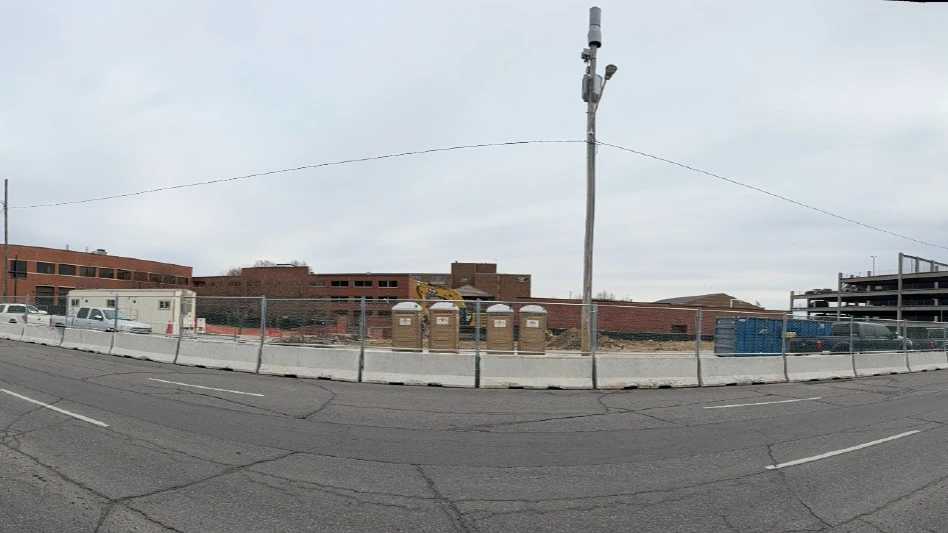
The U.S. Environmental Protection Agency plans to take a 12-acre former vehicle repair and salvage yard, the Pinette's Salvage Yard Superfund site in Washburn, Maine, off the National Priorities (Superfund) List. The decision to remove the site from the Superfund list is subject to a 30-day public comment period before becoming final.
"We are pleased to be able to move this site off the Superfund list so that we can now focus attention on other high-priority contaminated sites in the region," said Robert Varney, regional administrator of EPA's New England Office. "After years of work at a cost of more than $12 million, the Pinette's property is cleaned up and ready for redevelopment."
In 1979 three electrical transformers were removed from Loring Air Force Base by a private electrical contractor and brought to Pinette's, where the transformers ruptured while being moved from the delivery vehicle. About 900 to 1,000 gallons of fluid containing polychlorinated biphenyls and associated volatile organic compounds spilled directly into the ground. The oil migrated through the soil and contaminated the groundwater and surface water. The site was placed on the NPL in December 1982.
In 1983, the EPA excavated 800 cubic yards of PCB-contaminated soil and transported it to a federally-approval disposal facility. In total, 1,500 tons of soil were incinerated, 20 tons of soil were treated using solvent extraction, and 5,103 tons were disposed of at an off-site regulated landfill.
Since 1991, more than one million gallons of contaminated groundwater was treated on site. Sampling of groundwater continued quarterly until October 1995. In June 1996, based on the sampling results, EPA determined that PCBs were not currently migrating from the site and further treatment of contaminated groundwater is no longer needed. EPA has put a restriction in place to prevent a person from installing a drinking water well on the property. Additionally, EPA will continue to review the conditions at the site every five years.
The $12.4 million in cleanup costs at this site have been paid for by the EPA and the State of Maine.
Latest from Recycling Today
- Ocean freight interruptions poised to continue
- Danieli to supply shredder to Australian company
- Equipment from the former Alton Steel to be auctioned
- Novelis resumes operations in Greensboro, Georgia
- Interchange 360 to operate alternative collection program under Washington’s RRA
- Waste Pro files brief supporting pause of FMCSA CDL eligibility rule
- Kuraray America receives APR design recognition for EVOH barrier resin
- Tire Industry Project publishes end-of-life tire management guide