Image courtesy of American Battery Technology Co.
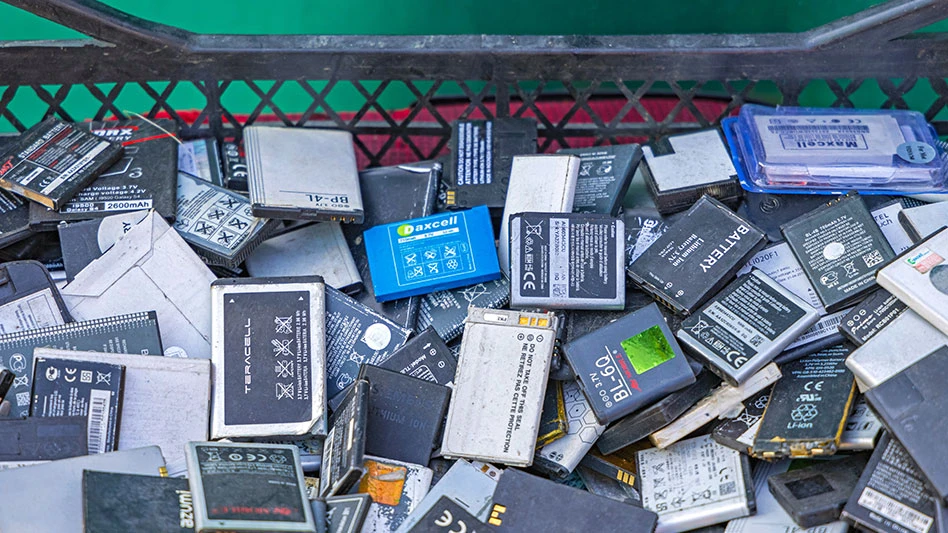
Battery materials recycler and refiner American Battery Technology Co. (ABTC), Reno, Nevada, has been contracted and approved by the U.S. Environmental Protection Agency (EPA) to recycle the end-of-life lithium-ion batteries (LIBs) from what it calls the largest LIB cleanup operation in EPA history.
ABTC says the project’s focus is on the safe handling and processing of damaged battery materials, and it has made “significant enhancements” to its recycling facility in Nevada in order to process these damaged battery materials. The company notes it has been receiving large-scale shipments of this material for the past several weeks.
RELATED: ABTC, Call2Recycle partner to expand LIB recycling in US | The tone setters
According to the company, the cleanup effort comes after a fire at a grid-scale battery energy storage system (BESS) facility in Northern California in January, which affected up to approximately 100,000 LIB modules that would require specialized handling, packaging, transportation and recycling in accordance with procedures overseen by the EPA. In the spring, ABTC says it underwent an audit and review process and successfully received formal EPA approval for its battery recycling facility in Nevada to receive waste material under the Comprehensive Environmental Response, Compensation and Liability Act (CERCLA).
ABTC says it now is EPA-approved as one of the only battery recyclers in the Western U.S. capable of receiving batteries that have been damaged and classified as “CERCLA waste,” such as battery materials that have been involved in large-scale BESS thermal events and fires.
“This unprecedented cleanup effort highlights the critical importance of building and deploying advanced domestic critical mineral recycling infrastructure capable of addressing the growing challenges of managing damaged lithium-ion batteries in a safe and responsible manner,” ABTC CEO Ryan Melsert says. “We are proud that we have established ABTC as one of the only recyclers in the Western U.S. to be capable of receiving CERCLA materials, and that we have already been processing truckloads of CERCLA material from this project for the past several weeks.
“This effort is not just about safely recycling damaged batteries—it’s about answering President Trump’s call to action for implementing immediate measures to increase American mineral production through demonstrating how U.S.-based infrastructure can rise to return these critical minerals back to the domestic manufacturing supply chain.”
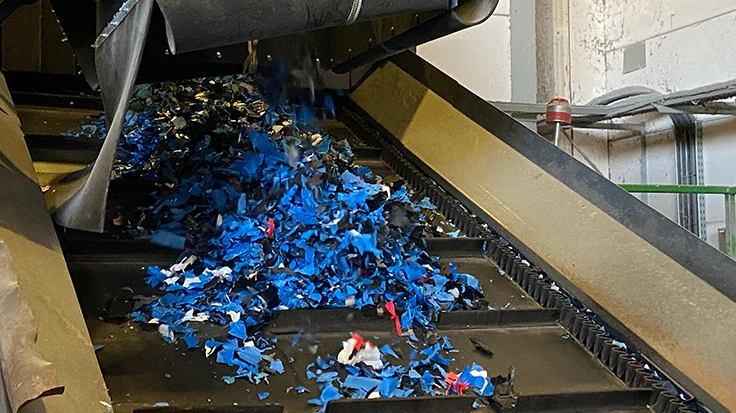
ABTC says its internally developed recycling technologies can recover valuable critical materials, including lithium, cobalt, nickel, aluminum, steel and copper from damaged batteries, preventing such resources from entering landfills while supporting the establishment of a closed-loop critical mineral manufacturing supply chain in the U.S.
The EPA is overseeing the complex logistics of battery characterization, transportation and delivery to ABTC’s Nevada facility. ABTC says the damaged batteries vary in condition, from intact units to severely compromised materials requiring immediate processing to ensure safety compliance. At current market prices, the company says that if it were to process all of the battery materials from the site, the value of the recycled products generated from these materials is estimated at approximately $30 million.
“This unprecedented operation highlights the growing need for specialized battery recycling capabilities as electric vehicles, grid storage systems and consumer electronics continue proliferating,” the company says. “The work being done on this cleanup between industry leaders and regulators is establishing safety and materials management standards for future large-scale battery facilities while demonstrating the viability of domestic recycling solutions for critical battery materials.”
Latest from Recycling Today
- Collective Waste Solutions acquires Alcop Resource Recycling transfer station
- Volatility continues in nonferrous metals
- Neste chemical recycling plant is ready to scale up
- Indonesia’s nickel pig iron spigot reopens
- Ecore says study backs crumb rubber use on sports surfaces
- Fleetio launches AI capability to accelerate fleet maintenance approvals
- The Metals Agency receives approval for export credit insurance
- Recycle Ann Arbor extends drop-off station operating hours