Photo by Brian Taylor
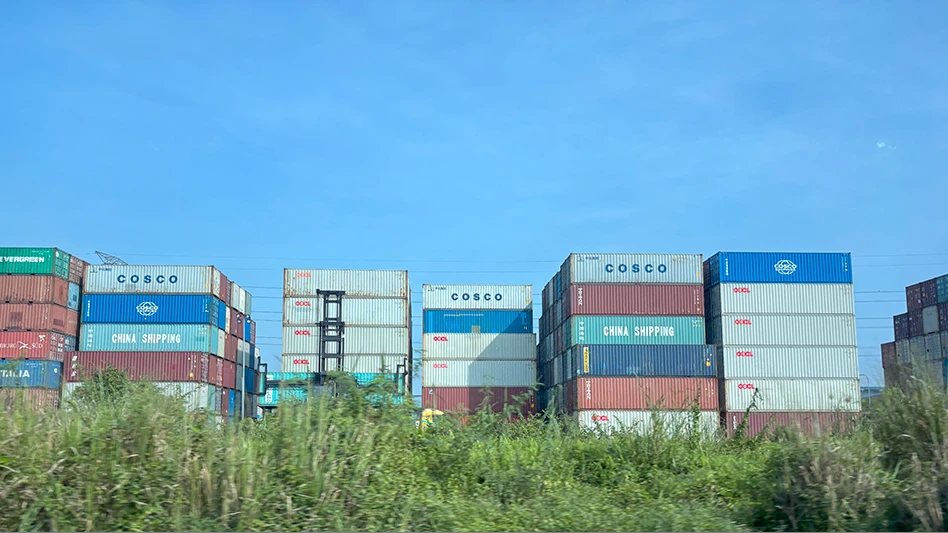
The Basel Action Network (BAN), Nexus3 Foundation and Ecoton have sent an open letter to Indonesian President Prabowo Subianto and key ministers, urging the return of 914 containers of suspected illegal electronic waste seized in Batam, Indonesia, and calling for full public transparency on all reexport operations.
This open letter follows months of scrutiny concerning seized e-scrap shipments held at Batam’s Batu Ampar Port. Under its Operation Can Opener initiative, Seattle-based BAN says it has sent Indonesian authorities multiple alerts since March 2025, identifying more than 1,500 shipping containers it believes could carry falsely declared e-scrap and plastic scrap originating in the United States.
BAN says it has developed methods to identify intermodal containers, or cans, that have a high risk of containing illegal waste and are en route to destination countries. In collaboration with member organizations of the Break Free from Plastic movement in Asia, Operation Can Opener provides the governments of destination countries with alerts, warning them of the incoming waste shipments.
The letter encourages the Indonesian government to handle the seized shipments in full compliance with the Basel Convention, which Indonesia ratified in 1993. It also urges authorities to investigate possible misdeclaration of shipments, including the use of incorrect HS codes, and to enforce strict penalties for fraud and waste trafficking.
The groups made specific demands that include prohibiting domestic auctions of contraband containers that could contain hazardous substances; returning illegal shipments to the countries of origin in line with Basel Convention requirements, with costs borne by the private actors responsible, including shipping lines and importers; publishing of the container numbers that were reexported; and shutting down companies involved, strengthening prevention measures to stop future waste trafficking and prosecutinh traffickers with strong penalties.
In December 2025, BAN, along with Indonesia-based Nexus3 and Ecoton, recognized Indonesian enforcement actions to detain hundreds of suspected containers, reporting that authorities ordered the consignees to reexport shipments to the United States. The organizations urged Indonesia to enforce the Basel Convention and the U.S. to take responsibility of the illegal exports.
However, they say public information remains limited on which containers were reexported and where they were sent, raising concerns about accountability. The organizations say publishing container numbers is essential to prevent illicit rerouting and additional environmental harm.
“Indonesia has the opportunity to uphold the sovereignty and health of its people and environment,” says BAN founder Jim Puckett. “The illegally trafficked e-waste must not be allowed to be resold at auction or diverted to third countries to harm new victims. These shipments must be returned to the same ports and countries from which they came, with full transparency to the public, industry and governments. Those that perpetrated this crime must be punished to the full extent of the law.”
Latest from Recycling Today
- 2026 Plastics Recycling Conference: Diving into SB 54
- Commentary: Plastic recycling isn’t working; what are we going to do about that?
- Foodservice Packaging Institute opens applications for 2026 foam recycling grant program
- Worn Again Technologies unveils Accelerator plant to advance polycotton recycling
- Nashville Waste Services launches new digital route system
- Arconic expands in Iowa
- Cascades invests $6.9M in recycled boxboard plant
- Ocean freight interruptions poised to continue