It is still evolving, but slowly and surely recyclers are learning what works and what doesn’t in terms of collecting electronics for recycling.
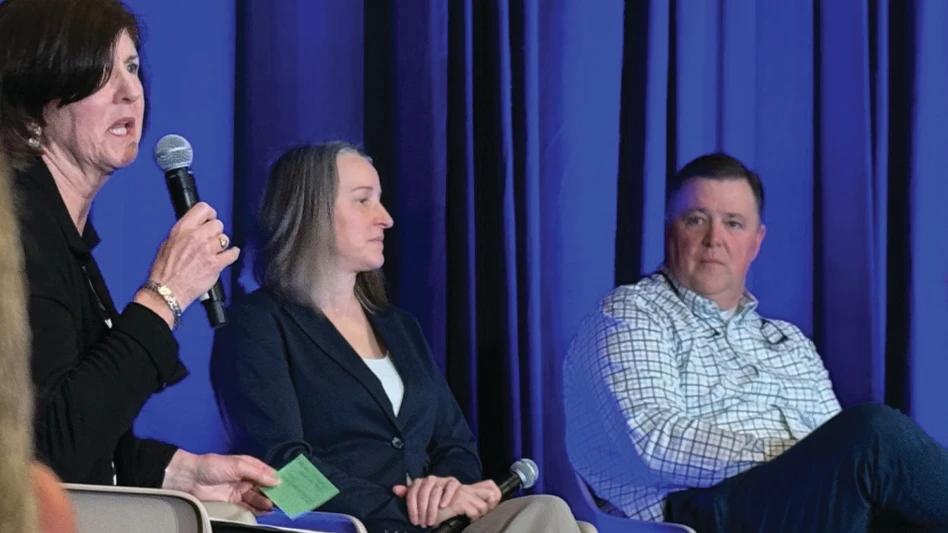
Three different presenters at a session at the National Recycling Coalition Annual Congress in Austin, Texas, offered information on what they had found by either spearheading or studying electronics collection efforts.
At the Northeast Recycling Council (NERC), Brattleboro, Vt., Lynn Rubinstein helped conduct a national survey in 2001 of electronics recycling collection events and programs. Many of the findings surprised NERC and NRC attendees.
As of July 2001, NERC knew of 486 programs in 29 states (plus the District of Columbia). Surprisingly, 47 percent of the programs collected electronics on an ongoing basis, while 43 percent of them focused on special events. There were also more than 40 communities collecting obsolete electronics at the curb.
Government agencies ran or were involved in 82 percent of the programs, with the balance of the oversight provided by recyclers, solid waste haulers, charities, manufacturers and retailers. More than half of the programs accepted equipment from residents, businesses and government agencies, while one quarter accepted materials from households only.
One of the NERC findings centered on determining a fee that equipment owners will pay at an event. “You don’t get complaints at $5. But when they get higher—even at $6—they do start whining,” said Rubinstein. She noted, though, that $5 is usually inadequate to cover shipping and recycling costs.
Since last October, Kevin McCarthy has been director of electronics recycling for Waste Management Inc. McCarthy, who has long headed up recycling operations at Waste Management’s Davis Street Station in San Leandro, Calif., said the company is now operating four regional processing centers, more than 50 drop-off sites and different types of electronics recycling programs in more than 20 states. The company is also starting up a commercial collection program in the Seattle area, “which will probably be followed by a processing center,” said McCarthy.
Of the drop-off sites, McCarthy said, “This is a number that is going to increase dramatically in the coming years.
The company is trying several approaches to tap into the electronics stream, including some curbside pick-up in California and New Hampshire.
In Florida, the Florida EPA is encouraging county governments to add electronics recycling programs to their existing hazardous household waste collection programs. The agency has offered grants to more than a dozen counties who have subsequently put one-year collection programs in place, said Florida EPA’s Irene Gleason.
Although many of the programs accept “anything with a cord,” according to Gleason, “our focus is on CRTs (cathode ray tubes). In Florida, 40 percent of the lead found in municipal solid waste comes from monitors and TVs,” she noted.
The state has been paying attention to end markets, with vendors signing affidavits that materials are being recycled or disposed of safely, or if materials are being exported receipts must show that exporters are “getting more than a nominal amount” for the materials.
Latest from Recycling Today
- Greenwave raises revenue but loses money in Q2 2025
- Recycled steel prices hold steady
- EY says India’s need for scrap imports will continue
- Coming full circle
- Amcor, DCM introduce fertilizer packaging with 35 percent recycled content
- Comstock Metals gets closer to commissioning commercial-scale solar panel recycling facility
- Washington selects Circular Action Alliance as PRO
- Smurfit Westrock expands in Latin America