Photo courtesy of EcoNiLi Battery New Energy
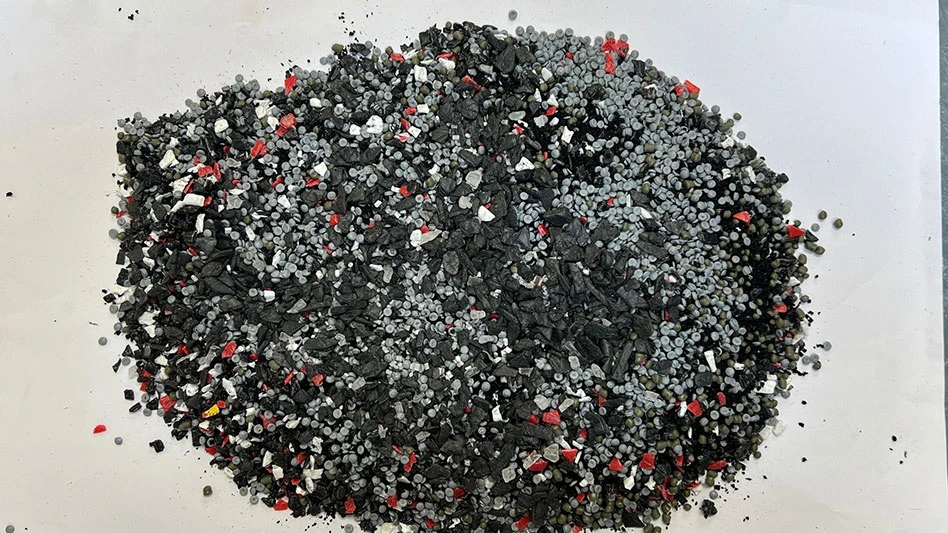
EcoNiLi Battery New Energy is offering hydrometallurgical black mass processing technology that can position it as a pivotal player in the global lithium-ion battery recycling supply chain.
The Malaysia-based technology provider points to stringent import regulations in China as one reason why its technology and its facility in Southeast Asia are positioned to capitalize on the need for battery materials.
“A fundamental restructuring of the black mass market, which began in mid-2025, is accelerating,” the company says.
According to EcoNiLi, China's import specification of a 0.4 percent maximum for water-soluble fluoride content in imported black mass has effectively created a "fluoride wall" for black mass producers in Europe and the Americas.
“Lacking the heat treatment infrastructure to meet these standards, European and American facilities find their primary offtake market inaccessible, creating a structural bottleneck of stranded, high-fluoride material,” EcoNiLi says, adding that Malaysia offers a compelling combination of structural advantages to become a hub for midstream processing of black mass generated in the western hemisphere for consumption in China.
“Energy and labor costs are significantly lower than in Europe and the United States, providing a structural cost advantage, [while Malaysia has a] deep talent pool from established electronics and chemical processing industries."
Malaysia and the surrounding Association of Southeast Asian Nations region has produced several lithium-ion battery technology providers and materials processors, including Singapore-based technology provider Green Li-ion and materials processor GLC Recycle, also based in Singapore. Houston-based Ace Green Recycling Inc. also got its start in Singapore.
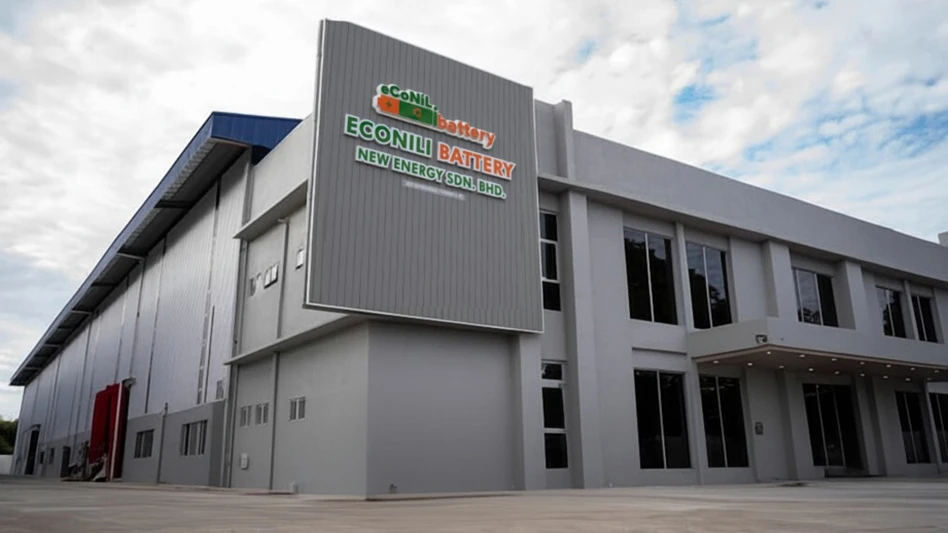
EcoNiLi says its hydrometallurgical facility in Perak, Malaysia, is operating with an annual input capacity of 24,000 metric tons of battery scrap and a black mass processing capacity of 12,000 metric tons. The company's acid leaching technology is specifically designed to handle black mass with high fluoride content.
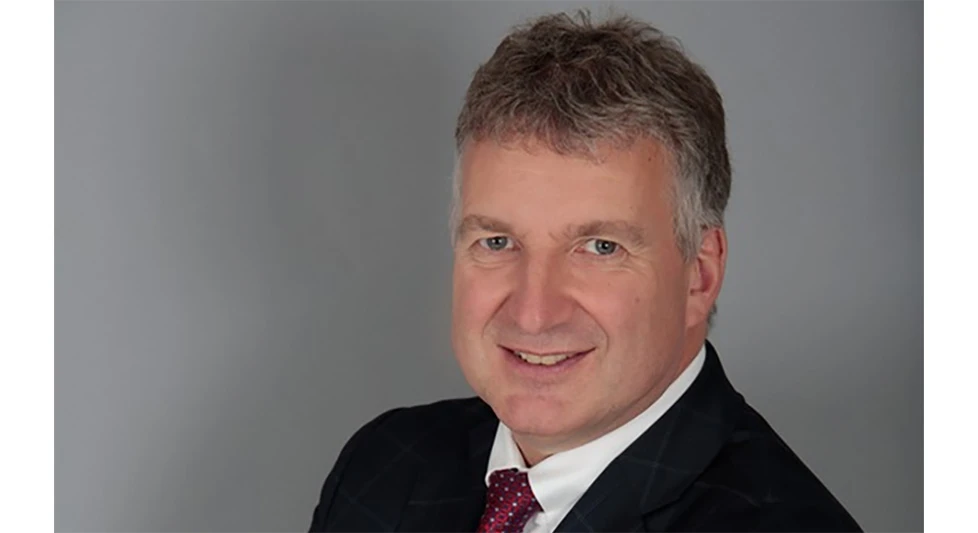
“China’s regulations target raw black mass imports, not refined battery-grade chemicals,” EcoNiLi founder and CEO Hayden Goh says. “Our hydrometallurgical process accepts black mass with fluoride content and produces specification-grade lithium carbonate and mixed hydroxide precipitate that Chinese cathode active materials manufacturers need. We are solving [the West’s] export problem and China’s supply problem simultaneously.”
Latest from Recycling Today
- Kaiser lifts net income figure in 2025
- Sims’ Houston contract confirmed by Enstructure
- Benlee calls 2025 record year
- Shopping malls proposed as retail circularity centers
- 2026 Plastics Recycling Conference: The growing need for systemwide change
- APR recognizes plastics recycling leadership
- Trex announces leadership transition
- Caterpillar to launch redesigned rental management experience