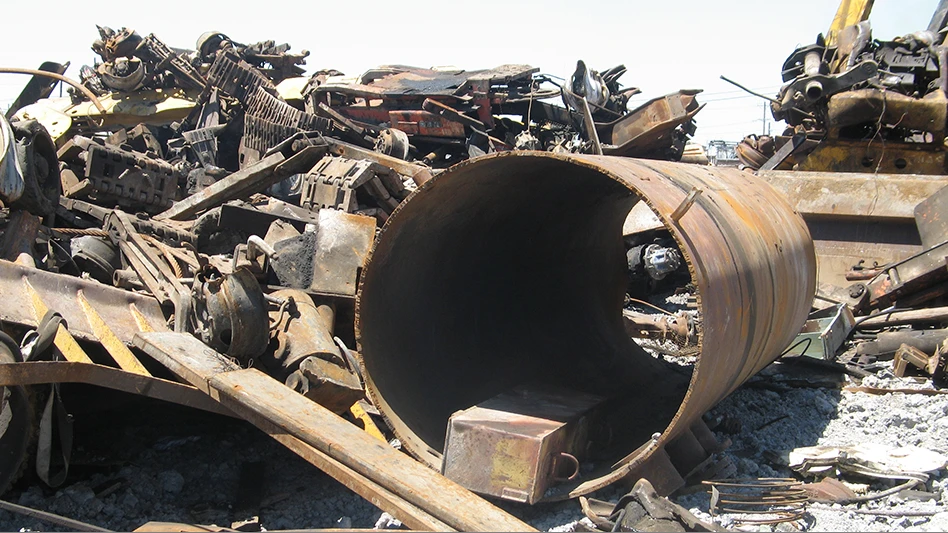
The European Commission has decided to pursue infringement proceedings against Germany in four cases concerning EU environment law. With the action, the EC is seeking to make sure Germany complies fully and correctly with agreed law. According to the EC legislation, European automobile manufacturers have had to pay for the recycling of vehicles. However, under EU legislation, owners of the vehicles must be able to send the vehicles to a licensed recycling company at no cost.
The Commission will send Germany warnings for incomplete legislation on automobile recycling, water management and Germany will also receive warnings over missing plans to improve air quality in some of its regions and insufficient control of substances that deplete the Earth’s ozone layer.
According to press reports, the EC determined that Germany’s automobile recycling law allows exceptions to the system, and is not as strict in defining what materials should be removed.
Commenting on the decisions, Environment Commissioner Margot Wallström said: "Germany, like any other EU member state, must implement agreed EU environmental law in full and at the agreed deadlines. I welcome the ongoing efforts in Germany, but every delay in meeting the requirements continues to put the environment, and often also human health, at risk."
The End-of-Life Vehicles Directive from 2000 should have been transposed into German national law through the End-of-Life Vehicle Act of 2002. The Directive has a dual aim: to prevent cars and car components that have reached the end of their life-cycles from becoming waste, and to promote car reuse, recycling and other forms of recovery. Among other things, the Directive requires that collection systems for end-of-life cars be set up and it seeks to reduce the use of chemicals in vehicles that impede safe disposal and recovery. Consumers must also be able to hand in their old car for dismantling free of charge.
Following an in-depth analysis of the German Act of 2002, the Commission concluded that a number of gaps exist, which reduce the intended environmental benefits of the Directive. These include: the reduction of the scope of the Directive, the exemptions to the free take-back obligation and the scope of the substance ban. This is why the Commission will now send Germany a final written warning.
According to one of the EC’s treaties, the agency has powers to take legal action against a Member State that is not respecting its obligations.
Latest from Recycling Today
- Equipment from the former Alton Steel to be auctioned
- Novelis resumes operations in Greensboro, Georgia
- Interchange 360 to operate alternative collection program under Washington’s RRA
- Waste Pro files brief supporting pause of FMCSA CDL eligibility rule
- Kuraray America receives APR design recognition for EVOH barrier resin
- Tire Industry Project publishes end-of-life tire management guide
- Des Moines project utilizes recycled wind turbine blades
- Charter Next Generation joins US Flexible Film Initiative