The Delaware Department of Natural Resources and Environmental Control has issued an order to Claymont Steel to clean up the mercury emissions at its mini mill in New Castle County, Delaware. The order follows the agency’s initiative to reduce mercury emissions in the state.
The agency also announced the state’s program to encourage auto dismantlers to remove mercury switches before the vehicles are crushed.
These actions occur in the wake of the department’s recent rules controlling air emissions, including mercury, from electric power plants.
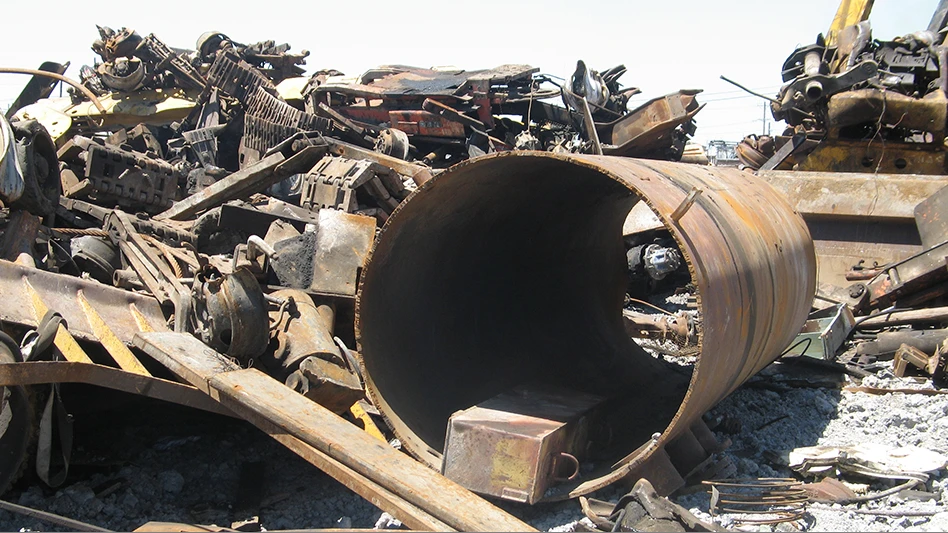
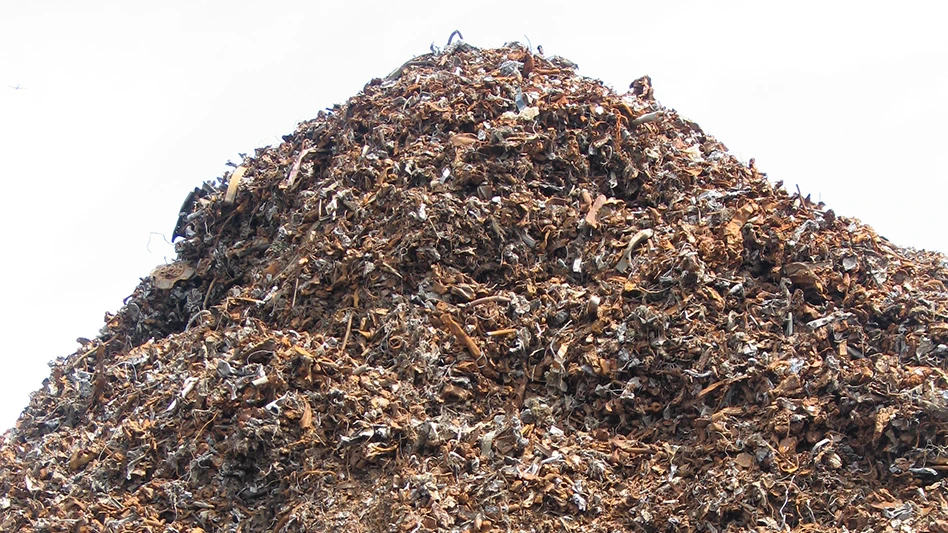
In the Notice of Conciliation and Secretary’s Order, from earlier this week, Secretary John Hughes notified Claymont Steel that recently revealed mercury emissions from its facility were in violation of the Delaware Code, and requires development and implementation of a plan to reduce mercury emission by approximately 90 percent. Claymont Steel recycles scrap steel in an electric arc furnace using, among other steel, crushed and shredded automobiles. This automotive scrap often contains mercury as a result of switches built into trunks and hoods and anti-lock brake systems up until 2003.
Stack testing of air emissions conducted earlier in 2006 indicates that mercury emissions from the Claymont facility’s electric arc furnace are estimated at 360 pounds per year with a potential to reach or exceed 500 pounds per year with the plant operating at full capacity. Claymont Steel previously reported mercury emissions ranging from 28 to 39 pounds per year over the past five years based on engineering calculations rather than measured emissions.
"We are proud to become, through these actions, among the leaders in the United States on reducing mercury in our environment. These efforts will pay off for generations of Delawareans by helping make sure our fish are safe to eat, and Claymont Steel can carry out its recycling business as a good neighbor," said Secretary Hughes.
The mercury switch removal program began this week with the mailing of letters to auto scrap dealers throughout Delaware encouraging them to join the National Vehicle Mercury Switch Removal Program, funded by the auto and steel industries. For those scrap dealers joining the program, they will be paid between $1 and $3 for each mercury switch removed. Also, accumulation containers will be provided and picked up by the program manager for safe recovery.
The Department has also conducted an outreach program to medical and allied health professionals including efforts to reduce releases of mercury from thermometers and devices like blood pressure cuffs, and to encourage safe phase-out of these devices.
"We are seeking a comprehensive environmental solution by controlling pollution at its source as much as possible, not just relying solely on smokestack controls," said James D. Werner, director of DNREC’s Air and Waste Management Division.
To bring its mercury emissions into compliance, the Secretary ordered Claymont Steel to take the following actions:
• Immediately begin a quarterly testing program for mercury emissions from the facility’s EAF Baghouse, with the next test to be conducted by Dec. 15, 2006, and subsequent tests to be conducted no later than March 31, June 30, Sept. 30 and Dec. 31 of each year the facility continues to operate, with testing results to be submitted to DNREC within 60 days of completion.
• Immediately undertake a pollution prevention program to reduce the amount of mercury in scrap steel being fed into the EAF. The firm must stop processing any municipal solid waste that may contain mercury; work to minimize the mercury in raw material scrap through such means as the program to remove automotive mercury switches before vehicles are shredded; and report to DNREC any operational changes that may affect the amount of mercury in the scrap.
• Immediately undertake one of the following options to reduce mercury emissions, as soon as practical but not later than Dec. 31, 2008: design and implement an enhanced pollution prevention program to further reduce the amount of mercury in scrap; obtain permits, install and operate an activated carbon injection system or an alternative system proven to be just as effective to control mercury emissions to permittable levels; or design and implement a hybrid program using the preceding options.
• Notify the Department that the EAF has ceased operations or identify which alternative it will undertake and submit a plan for the Department’s approval no later than Jan. 31, 2007. The plan will include a detailed inventory of all mercury sources contributing to the facility’s mercury emissions for the purpose of developing programs to remove these sources prior to scrap delivery. The firm also must cooperate with mercury reduction programs in Delaware and must submit semi-annual reports due June 30 and Dec. 31 of each year detailing the progress of its mercury emissions reduction plan.
Claymont Steel has 30 days from receipt of the Order to submit a written request for a public hearing.
The read the full Order click on the following link - Claymont Steel Order <http://www.dnrec.delaware.gov/NR/rdonlyres/6E14E2DD-E5BC-4712-B93F-9568CBF871A2/0/SecOrd2006A0058.pdf>
Latest from Recycling Today
- Ocean freight interruptions poised to continue
- Danieli to supply shredder to Australian company
- Equipment from the former Alton Steel to be auctioned
- Novelis resumes operations in Greensboro, Georgia
- Interchange 360 to operate alternative collection program under Washington’s RRA
- Waste Pro files brief supporting pause of FMCSA CDL eligibility rule
- Kuraray America receives APR design recognition for EVOH barrier resin
- Tire Industry Project publishes end-of-life tire management guide