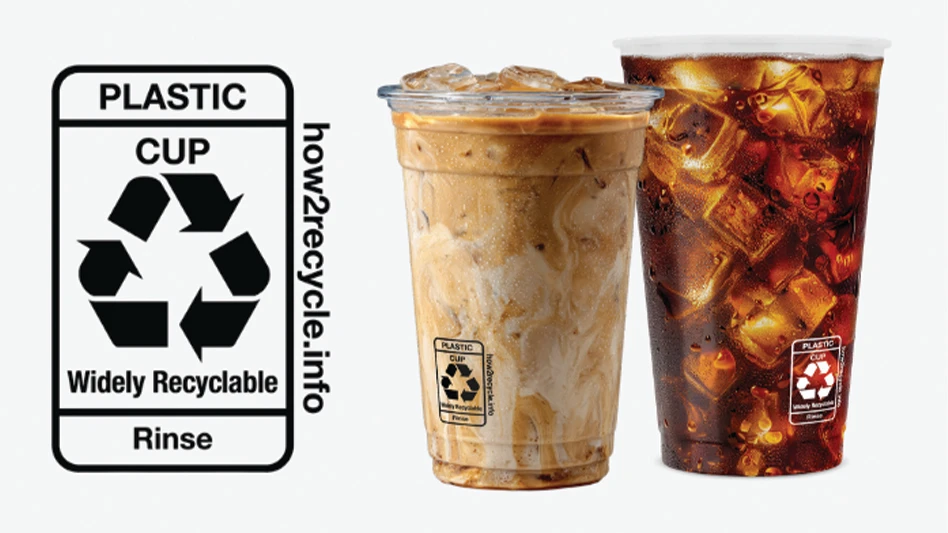
Image courtesy of GreenBlue
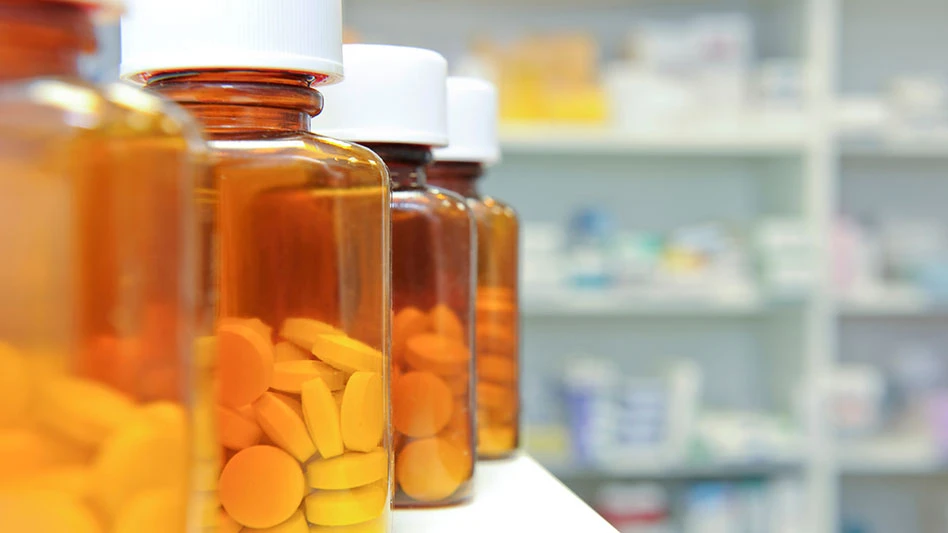
Polypropylene (PP) beverage cups typically used for cold drinks have earned the “Widely Recyclable” designation from How2Recycle, a program developed by nonprofit GreenBlue. The designation means more than 60 percent of U.S. households can recycle the cups through curbside or drop-off programs.
According to GreenBlue, effort put forth over the last four months along with the NexGen Consortium managed by Closed Loop Partners’ Center for the Circular Economy, The Recycling Partnership (TRP), Starbucks and WM have helped add cold cup access to more than 2 million new households. New York-based GreenBlue says access has grown steadily, increasing more than 10 percent over the last several years.
GreenBlue says the milestone reflects the combined efforts of partners across the value chain:
- The NexGen Consortium brought together major businesses, including Seattle-based Starbucks and others, to create solutions advancing the circularity of foodservice packaging.
- TRP’s Polypropylene Recycling Coalition has spent the last five years “unlocking the potential of polypropylene recycling,” investing in infrastructure, delivering best practice education guidance and providing extensive, real-time data on the recycling system.
- How2Recycle applied its consumer-facing labeling standards to ensure clear guidance on recyclability.
- Starbucks leveraged its scale and commitment to the use of more sustainable packaging to accelerate adoption.
- WM helped develop end markets with Troy, Alabama-based KW Plastics, built the recycling infrastructure to process cups effectively and created a clear pathway for communities to add cups to their curbside programs.
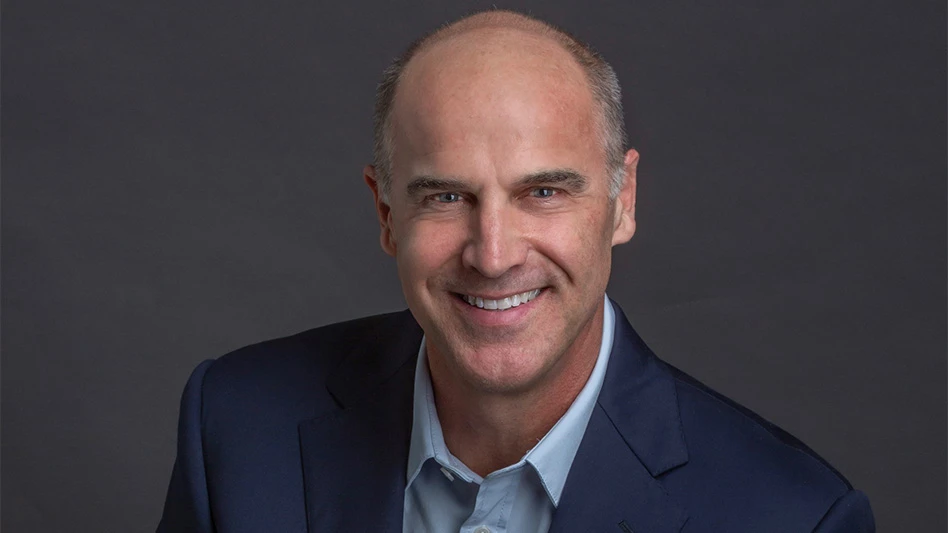
“Expanding access, improving infrastructure and strengthening consumer communications takes collaboration across the value chain,” GreenBlue Executive Director Paul Nowak says. “No single organization can do this alone. The work we’re doing today has benefits beyond any single material. By investing in infrastructure and consumer-tested communications, we’re driving industry and behavior change at scale.”
GreenBlue points to the Washington-based Recycling Partnership’s “State of Recycling Report,” which claims that households generate about as much PP as high-density polyethylene (HDPE), which is used in detergent, milk and shampoo bottles, yet PP’s recycling rate is only one-third that of HDPE.
GreenBlue says every recycled cup means less plastic in landfills and waterways, and increasing acceptance and recovery reduces contamination, improves material quality and lowers demand for virgin resources.
“Achieving the ‘Widely Recyclable’ designation for polypropylene cups is a significant milestone,” says Marika McCauley Sine, chief sustainability officer at Starbucks. “It reflects what’s possible when businesses, recyclers and communities work together to create solutions that can reduce waste and make recycling easier for customers who opt for to-go beverages. We’re committed to continuing our collective effort to build a circular system that can benefit people and the planet.”
GreenBlue says that while the milestone reflects “meaningful progress,” more work lies ahead to expand access for even more U.S. consumers, adding that ongoing engagement will help residents include these items in their recyclables and strengthen the system for the future.
The organization notes that increasing cup recycling is complex and requires collaboration across the value chain, including continued leadership from organizations like the Foodservice Packaging Institute, which supports communities and recyclers in improving acceptance of foodservice packaging. In addition, it says manufacturers and retail or food service businesses can improve cup design for recycling and commit to using more recycled content to build end markets, while communities need support to update guidelines and provide consistent education to residents to help boost capture.
“Effective recycling policies also help the system function more smoothly,” GreenBlue says. “These pieces take time, but together they will help move forward a system where every cup can be recycled and actually is.”
Latest from Recycling Today
- Nucor guidance points to profitable Q1
- Plastic Energy, TotalEnergies start up chemical recycling plant near Paris
- Sierra International Machinery adds to sales team
- How2Recycle appoints new director
- Cox Automotive celebrates EV battery recycling milestone
- ILMA files lawsuit challenging Colorado’s EPR law
- Titanium recycling is focus of Japanese alliance
- Tomra installation serves food tray sector in Spain