NVB Stocker | stock.adobe.com
Cox Automotive, Atlanta, has announced its EV Battery Solutions business has processed and recovered more than 10 million pounds of black mass.
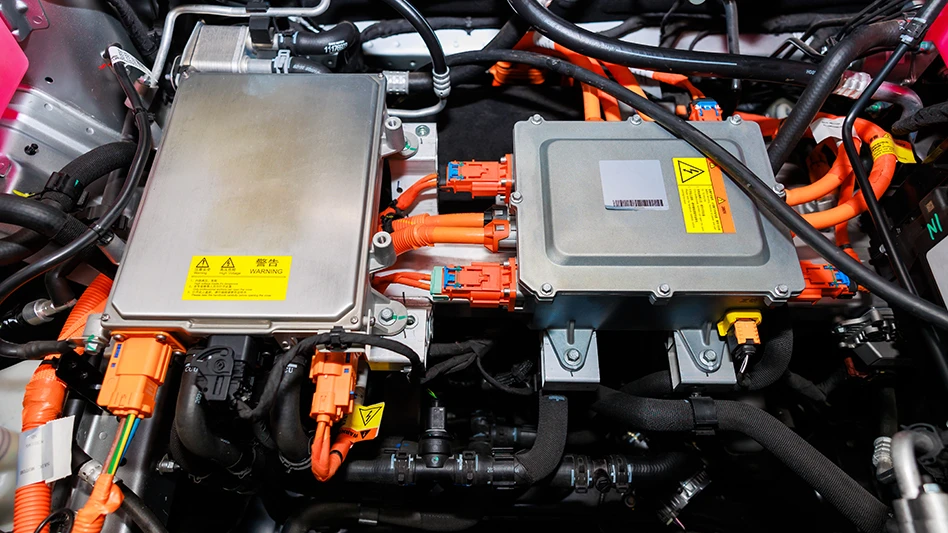
The company says this milestone underscores its role in managing the full electric vehicle (EV) battery lifecycle, from handling and logistics to repair, remanufacturing and end-of-life recycling. The company’s EV Battery Solutions business includes proprietary depowering and dry-shredding technologies, which Cox says helps minimize fire risk and support safer processing.
“This milestone is proof that circularity in the EV battery ecosystem is moving from concept to scale,” says Brian Skalovsky, director of battery recycling for EV Battery Solutions by Cox Automotive. “Every pound we recover represents valuable materials kept in circulation and a more responsible path forward as more EVs enter the used market.”
RELATED: Cox Automotive opens EV Battery Solutions service center in Georgia
“This is about building the infrastructure that makes electrification work in the real world,” says Lea Malloy, vice president of EV Battery Solutions by Cox Automotive. “By extending battery life through repair and remanufacturing and responsibly recycling at the end of life, we’re helping close the loop for electric mobility.”
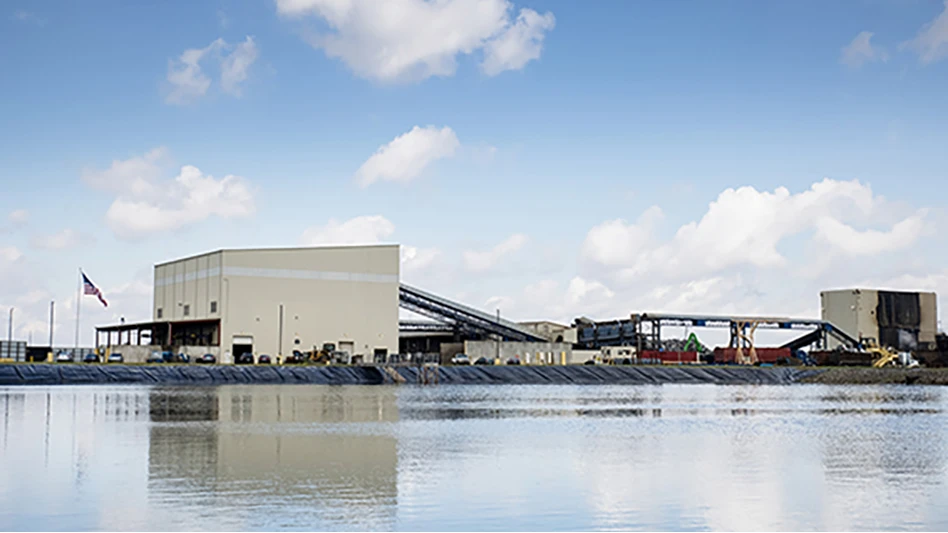
At Cox Automotive's battery recycling center in Oklahoma City, the company says technicians use a patented dry recycling process designed to eliminate water and chemical treatments and reduce environmental impact. Through mechanical disassembly, shredding and air-based separation, the team extracts materials for reuse, reportedly achieving up to 94 percent material recovery.
This milestone supports Cox Enterprise’s sustainability commitment through Cox Conserves—the company’s environmental program. Since its founding in 2007, Cox Conserves has funded more than 500 sustainability projects, including 70 alternative energy initiatives, with more than $165 million invested to help reduce waste, conserve energy and water and promote biodiversity.
Latest from Recycling Today
- Plastic Energy, TotalEnergies start up chemical recycling plant near Paris
- Sierra International Machinery adds to sales team
- How2Recycle appoints new director
- ILMA files lawsuit challenging Colorado’s EPR law
- Titanium recycling is focus of Japanese alliance
- Tomra installation serves food tray sector in Spain
- Tariff criticism directed toward steel industry
- Vinyl Institute launches enhanced recycling directory