Olivier Le Moal | stock.adobe.com
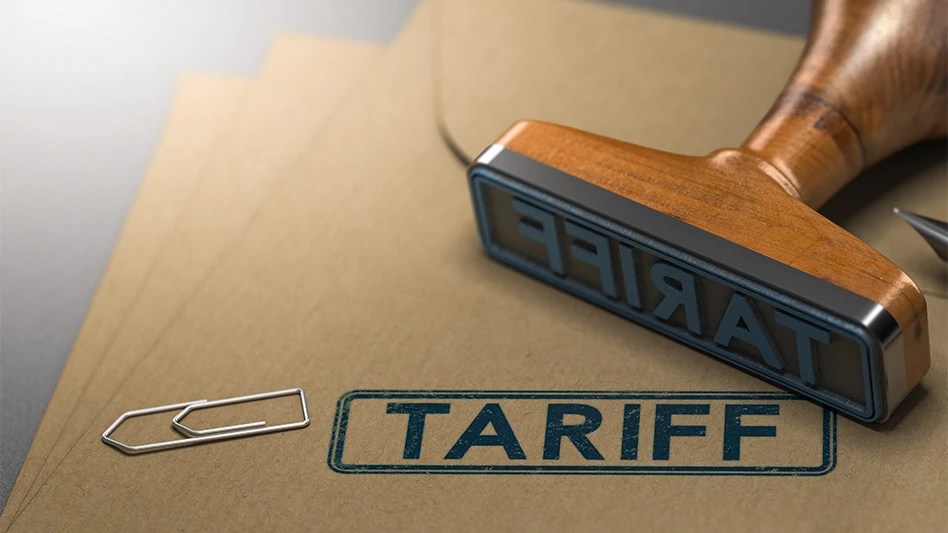
Friday, Aug. 15, the U.S. Commerce Department added 407 Harmonized Tariff Schedule (HTS) codes to the lists of steel and aluminum products entering the U. S. that are subject to Section 232 tariffs, including lifters, material handlers and loading conveyors and shredder wear parts that are used in recycling operations, according to the Recycled Materials Association (ReMA), Washington. The Commerce Department’s Industry and Security Bureau published the information to the Federal Register Aug. 19.
According to the notice, “For such products, steel and aluminum tariffs based on Section 232 of the Trade Expansion Act of 1962 (Section 232) will apply to the steel and aluminum content. The nonsteel and nonaluminum content will remain subject to the reciprocal and other applicable tariffs. For 60 HTSUS codes, BIS has decided not to include them as steel and aluminum derivative products at this time because they are subject to other ongoing investigations pursuant to Section 232 or other trade statutes.”
The new duties became effective as of 12:01 a.m. Eastern time Aug. 18.
ReMA says it has identified several steel-containing products, including lifters, material handlers and loading conveyors (imported under HTS 8428.90.03) and certain shredder wear parts (imported under HTS 8479.90.95), that are included in this expansion of the Section 232 tariffs. ReMA adds that it will analyze the more than 400 new HTS codes that were added to the program and also will work with members on ways to identify products that could be subject to inclusion in these tariffs in the future and seek the removal of these products from the tariffs.
As of now, the tariffs have not been expanded to include steel and aluminum recovered for recycling.
The steel and aluminum industries have welcomed the expanded tariffs. Charles Johnson, president and CEO of the Washington-based Aluminum Association, says it is “a major win for U.S. aluminum makers."
“This targeted action gets to the heart of the problem facing the industry today—too many countries are circumventing trade rules by importing unfairly produced and traded aluminum in end products,” the Johnson says. “These ‘derivative’ products, which contain aluminum from China and other nonmarket actors, are too often making their way across the U.S. border. The Trump administration's decision to expand the list of covered products is exactly the kind of progrowth trade policy U.S. aluminum producers need. Targeted enforcement, strong trade partnerships and energy reforms will advance U.S. economic and defense priorities by keeping American aluminum competitive, sustainable and growing for generations to come. We look forward to further adjustments to the current tariff policy that will drive future growth in our industry.”
Kevin Dempsey, president and CEO of the American Iron and Steel Institute, Washington, says, “A healthy domestic steel industry is vital to our national defense. The Section 232 program recognizes that steel is essential for military equipment, critical infrastructure and emergency response needs. Strengthening these tariffs helps ensure that America is not reliant on foreign imports in times of national security threats and crises. AISI commends President Trump and Secretary Lutnick’s decisive action to broaden the tariff coverage to create a level playing field for American workers and strengthen the American steel industry.”
Latest from Recycling Today
- Fleetio launches AI capability to accelerate fleet maintenance approvals
- The Metals Agency receives approval for export credit insurance
- Recycle Ann Arbor extends drop-off station operating hours
- Sybilion seeks to help manufacturers confidently address volatility
- Rio Tinto, Prysmian partner on low-carbon aluminum solutions for data centers
- Unilever criticized for plastics approach
- USTR to study additional steel, aluminum tariffs
- Electrified Materials adds processing capacity