Eco-Cycle, a nonprofit recycler based in Boulder, Colorado, and the Colorado Public Interest Research Group (CoPIRG), Denver, have partnered to release the third edition of their statewide recycling report, "The State of Recycling in Colorado: 2019." The report highlights recycling trends and rates in Colorado.
The report states that “2018 and 2019 have been tumultuous years for recycling markets around the U.S. and the world, some of the worst ever seen. Here in Colorado, we have weathered the storm better than most states, and we continue to inch forward on recycling with new community programs and a slight increase in tons recycled. However, we still lag far behind the national average and must substantially pick up the pace if we are to meet our state recycling goals.”
According to "The State of Recycling in Colorado: 2019," Colorado recyclers, particularly in rural areas, faced setbacks in recent years because of low commodity prices. The report states that “the good news in our state is that our recyclable materials are still being recycled, and there are no reports of Colorado recyclables being sent to landfills.”
The report indicates that Colorado communities recycled and composted about 1.2 million tons in 2018, up nearly 75,000 tons compared with 2017. Most communities contacted for the study indicated they were expanding or improving recycling programs in 2018 and the first part of 2019 rather than scaling them back. Additionally, the report notes that the state’s legislature took a step in 2019 to improve recycling by creating a new funding source for Front Range communities to increase recycling.
However, the report also states that Colorado generated almost 16 million tons of materials in 2018 from residential, commercial and industrial sources, up from about 14 million tons in 2017, and Coloradans only recycled or composted about 17 percent of the solid waste generated by residential and commercial sources in 2018. According to the report, that number is below the national average of 35 percent and below the statewide 2021 goal of 28 percent.
“Increasing recycling in Colorado is vital to reducing carbon pollution and boosting our economy by creating jobs and providing needed materials to companies manufacturing goods in our state,” the report states. “The challenge to increase recycling in Colorado is two-fold—we need to increase access to convenient recycling and composting programs … and we need to attract more businesses to Colorado to use our recyclable and compostable materials.”
Closures, discontinuations and expansions
With tough commodity markets, the 2019 report states that some recycling programs have had to close or reduce the materials they accept as a result. Closures and discontinuations in the past year include:
- Fort Collins stopped accepting mixed plastics.
- Cortez stopped accepting old newspaper (ONP).
- Gunnison County discontinued carton and paperboard recycling at its drop-off center.
- Greeley’s recycling drop-off center closed, pushing customers toward curbside recycling.
- Trinidad’s local recycler Terra Firma closed.
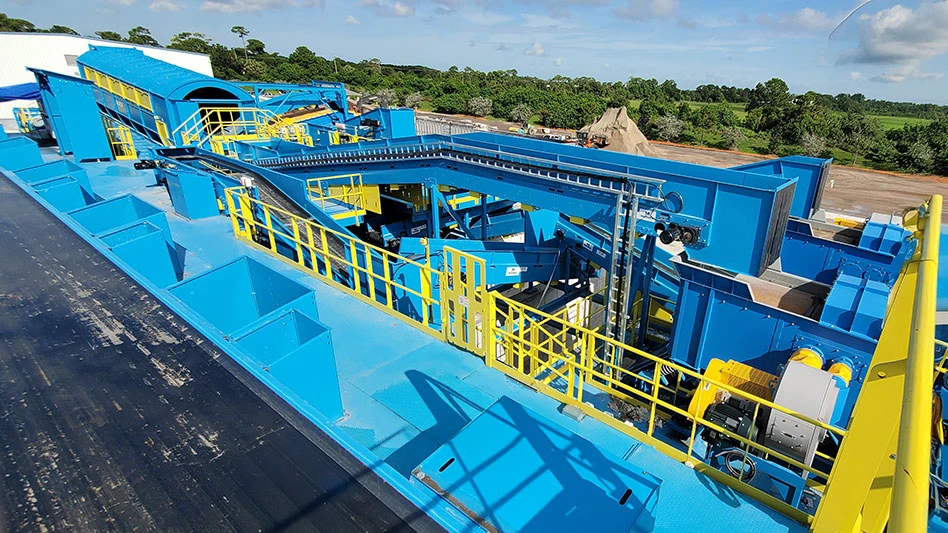
However, the report also indicates some growing recycling programs and services in the state. The NextCycle program developed by the Colorado Department of Public Health and Environment is helping to “improve end markets for recovered commodities and organic materials” in the state. That program selected nine businesses in 2019 to receive grants and technical assistance. Additionally, Colorado-based Alpine Waste & Recycling, now owned by Vaughan, Ontario-based GFL Environmental Inc., recently retrofitted its material recovery facility (MRF) in Denver to increase its processing speed to handle 30 percent more single-stream recyclables.
The full report can be accessed online.
Latest from Recycling Today
- Greenwave raises revenue but loses money in Q2 2025
- Recycled steel prices hold steady
- EY says India’s need for scrap imports will continue
- Coming full circle
- Amcor, DCM introduce fertilizer packaging with 35 percent recycled content
- Comstock Metals gets closer to commissioning commercial-scale solar panel recycling facility
- Washington selects Circular Action Alliance as PRO
- Smurfit Westrock expands in Latin America