mandritoiu | stock.adobe.com
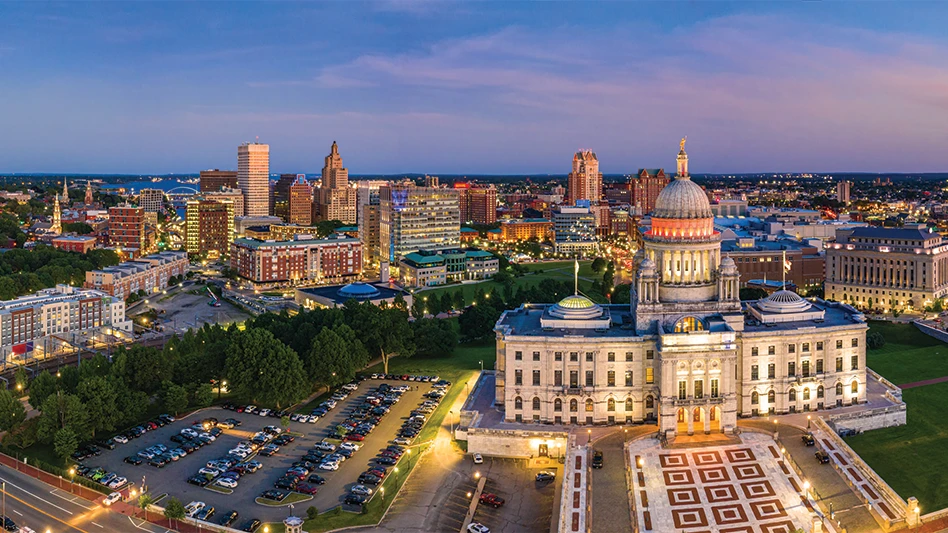
The city of Providence, Rhode Island, will start delivering new, standardized waste and recycling collection carts to residents this month with the help of a $7.4 million investment from Closed Loop Partners, the American Beverage Association and other major brands, The Recycling Partnership and the U.S. Environmental Protection Agency’s Solid Waste Infrastructure for Recycling (SWIFR) grant program.
According to The Recycling Partnership (TRP), the new carts are a major step in a multiyear public-private partnership to address longstanding challenges in the city’s recycling system, and delivery of approximately 55,000 carts is expected to be complete by early summer.
By aligning public funding, private investments, infrastructure upgrades and resident education, TRP says the project is taking direct action to reduce contamination, strengthen recycling operations and deliver measurable recycling rate improvements citywide. Providence’s current contamination rate is more than 47 percent, TRP claims, resulting in more than 8,000 tons of materials intended for recycling being rejected and sent to landfills annually instead of being made into new products.
Contributing to the multimillion-dollar project, New York-based Closed Loop Partners provided a commitment of more than $5 million in financing from its Catalytic Capital & Private Credit group, including its beverage strategy, backed by the Washington-based American Beverage Association’s Every Bottle Back initiative, in partnership with Rhode Island’s beverage companies and its infrastructure strategy, backed by Amazon, The Coca-Cola Co., Colgate-Palmolive, Danone North America, Kenvue, Keurig-Dr. Pepper, Proctor & Gamble, PepsiCo, Primo Brands Corp., Starbucks, Unilever, the Venn Foundation and the Walmart Foundation.
Additionally, the city secured two grands totaling $625,000 from TRP, with funding through Every Bottle Back, and an additional $1.8 million through EPA’s SWIFR program, which supports improvements of postconsumer materials management and infrastructure. Together, TRP says these investments aim to improve Providence’s recycling rate of 2.4 percent—currently the lowest in the state.
“Since the start of my administration, we have focused on making Providence cleaner, greener and more efficient,” Mayor Brett Smiley says. “That’s why we are investing in new trash and recycling carts, along with education and enforcement strategies to change behavior and get the city’s recycling program back on track. By combining these investments with targeted outreach, we are helping Providence neighbors manage waste more effectively, improve recycling rates and enhance quality of life while supporting long-term sustainability.”
In particular, Closed Loop Partners’ Catalytic Capital & Private Credit group has spent more than 10 years deploying flexible catalytic capital to a number of recycling companies and municipal recycling programs across the U.S.
“Strategic capital and collaboration across the value chain are critical to building a resilient circular economy in cities across the U.S.,” says Ron Gonen, founder and CEO of Closed Loop Partners. “The joint funding made possible by this partnership, and bolstered by commitments from the federal government, is a key step toward catalyzing more capital to circular solutions and laying the groundwork for waste-free cities. We are proud to support Providence, a city that is leading the way towards strengthening the infrastructure, education and partnerships needed to keep more of our valuable materials in circulation.”
Keefe Harrison, founder and CEO of Washington-based TRP, says strong partnerships are essential to building recycling systems that work for communities.
“This effort goes beyond delivering carts,” Harrison says. “It brings funding, tools, education and hands-on implementation together to turn infrastructure into real progress. By working closely with Providence city leaders and trusted partners, we are helping design solutions that meet residents where they are and deliver lasting, measurable results for the community.”
The infrastructure improvements are paired with resident engagement, TRP says. A citywide recycling education campaign is underway, including direct mail, neighborhood outreach and clear on-cart guidance to help residents understand what belongs in the recycling cart and why it matters.
“This investment reflects our commitment to working hand-in-hand with communities to support good policy and programs that increase the collection of valuable recyclables, including our industry’s aluminum cans and plastic bottles,” says Peg Sweeney, executive director of the Rhode Island Beverage Association. “Then we can ensure they are remade as intended and don’t end up in waterways and green spaces or wasted in landfills.”
Latest from Recycling Today
- WM opens upgraded recycling facility in Southern California
- CAA has submitted updated REM program plan in Oregon
- ReMA approves updates to inbound residential specs, paper stock guidelines
- Plastics to host California legislative fly-in
- New York receives $2.36M investment in waste tire reuse, recycling
- Recovered paper prices show signs of rebound
- Former Alabama steel mill site could host auto components plant
- Greenway ups presence in electronics recycling sector