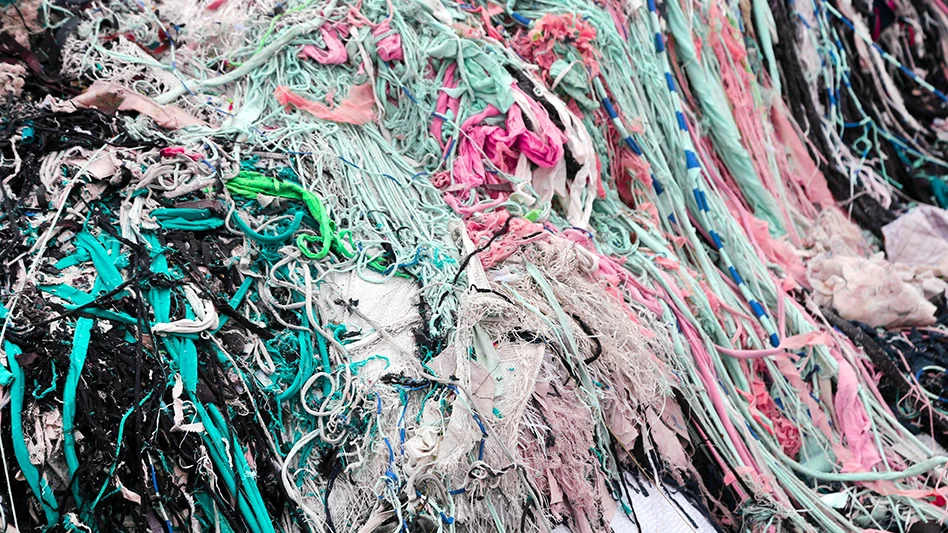
Pieces of metal from the Chernobyl nuclear power station in northern Ukraine, scene of the world's worst civil nuclear disaster in 1986, are to be sold for scrap.
Olexandre Smyshliayev, the director of the public company, Chernobylskaya, which ran the former power station, today said part of the plant would be cut up and sold by weight to help pay for reinforcing the sarcophagus of the damaged reactor.
He was quoted by the ITAR-TASS news agency as saying all the material to be taken from the site had been tested by the authorities for levels of radiation and had been found to be "clean".
The scrap metal, which will go on sale in March, will come from sections of the plant farthest from the reactor, which is at the heart of the contaminated zone. The director said that no material from the reinforced concrete sarcophagus that surrounds the reactor would be sold.
The sarcophagus is currently threatening to collapse.
|
| |||
 |
|||
Russia could be the biggest customer for the scrap metal as it still operates power stations similar to the one in Chernobyl.
In April 1986, the core of the fourth reactor at the Chernobyl plant exploded and for 10 days spewed radioactive material equivalent to more than 200 Hiroshima bombs into the air, contaminating large swathes of Europe, particularly neighbouring Belarus.
The Soviet government said 31 people were killed on the spot.
According to UN figures, between 15,000 and 30,000 have died since the disaster in 1986 and nearly 6 million people continue to live in contaminated zones.
Chernobyl was finally closed in December 2000 with international financial aid, only part of which has been paid.
The international community has raised more than 720 million euros ($1.19bn) for the construction of a 20,000-metric ton steel case to cover the present sarcophagus, which was built in a rush after the accident. That must be completed by 2008. - The Australian
Latest from Recycling Today
- U.S. Aluminum Co. explores aluminum fabrication plant in Oklahoma
- Sonoco completes portfolio transformation
- Eriez Shred1 data demonstrates scalable copper control
- RCI selects CurbWaste as exclusive operational management platform
- Updated: Supreme Court strikes down IEEPA tariffs
- Recycling Today Media Group launches Scrap Expo Lunch & Learn Webinar Series
- LyondellBasell scales back recycling target
- Former Liberty UK mills eyed by 3 suitors