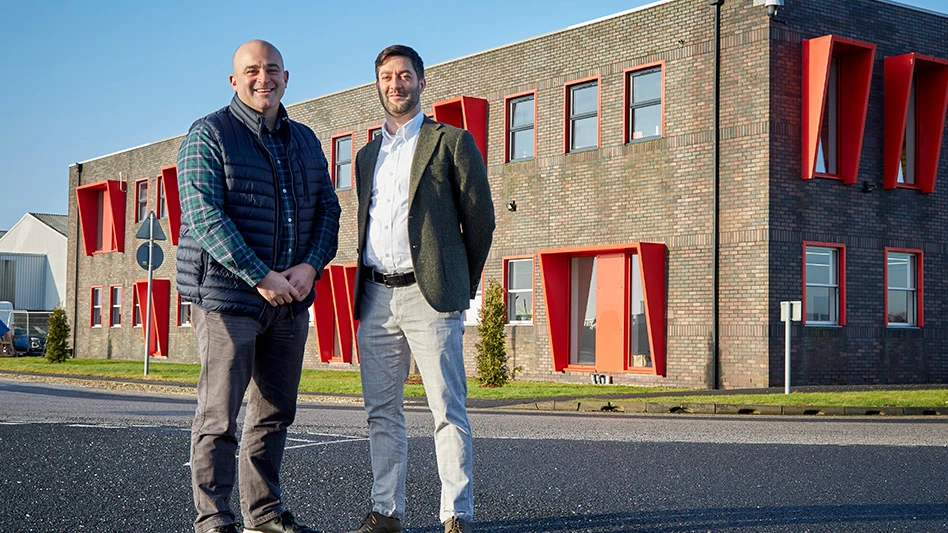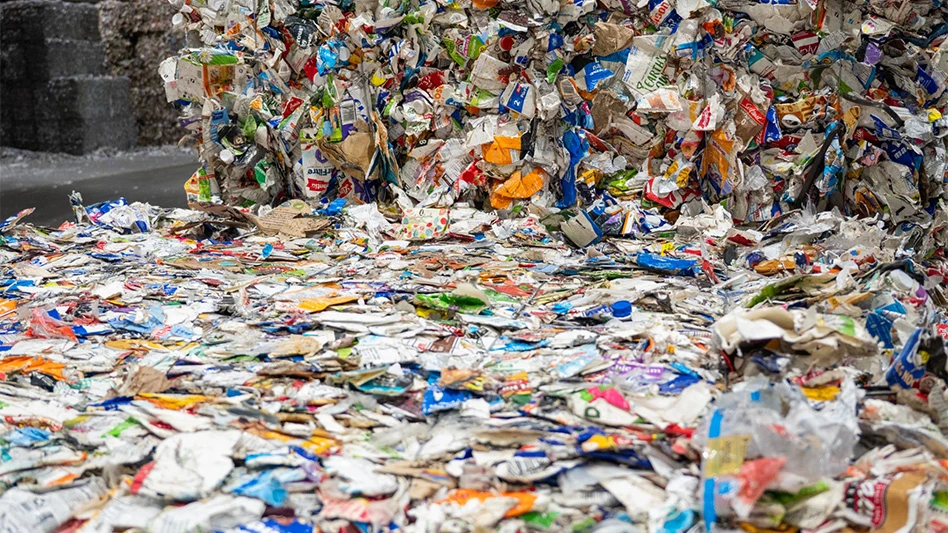
Image courtesy of the Carton Council.
The Denton, Texas-based Carton Council has announced continued growth in carton recycling access across the United States.
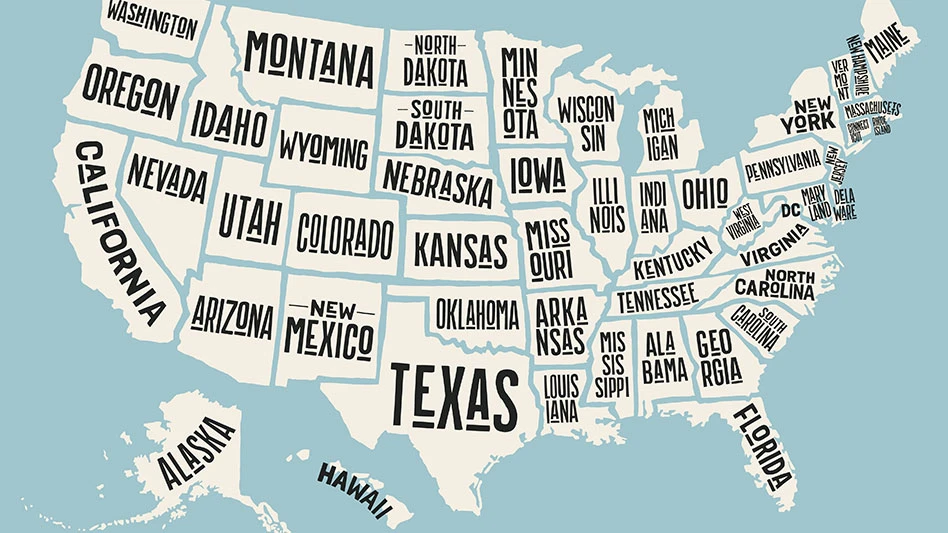
In 2025, nearly 2.5 million households gained the ability to recycle food and beverage cartons, a figure that represents approximately 1.5 percent of all American households, according to the council. 86 percent of households with recycling programs now include carton recycling.
Carton recycling access is tracked through an independent third-party that measures whether households have a local recycling program that includes cartons. Today, 63 percent of U.S. households have access to carton recycling programs—up from 18 percent in 2009 when the Carton Council was founded. The council has an address locator tool where residents can view recycling access.
“Real-world recycling begins with household access,” says Jordan Fengel, Carton Council executive director. “Before a material can be sorted and recycled, residents must be able to place cartons in the recovery stream. This growth reflects direct collaboration with communities, recyclers and policymakers to strengthen the recycling system.”
The Washington-based Recycling Partnership has indicated that approximately 73 percent of U.S. households have access to recycling services. The Carton Council’s data indicates cartons are accepted in the vast majority of programs (86 percent by household), demonstrating broad compatibility with existing collection systems.
Community partnerships
Because many regions already offer recycling services, recent progress comes from targeted improvements aligned with local capacity and existing infrastructure. 2025 additions that illustrate this range of approaches include:
- Austin, Texas: An expanded material recovery facility (MRF) partnership added carton access for approximately 500,000 households and created a foundation for future expansion into nearby communities.
- Marion County, Florida: Targeted outreach supported the implementation of county-wide drop-off recycling, bringing access to about 127,000 households.
- Robeson County, North Carolina: Updated program guidance provides roughly 35,000 households with county-wide drop-off recycling.
- Cedar Falls, Iowa: Coordination with municipal staff established city-wide drop-off access for approximately 16,000 households.
- Titusville, Florida: A curbside recycling program update added cartons to accepted materials for about 21,000 households.
- Oregon: With packaging extended producer responsibility (EPR) now active in Oregon, better aligned collection lists led to 627,000 households gaining access to carton recycling—a 38 percent increase.
“At this stage, progress happens one program at a time,” says Jason Pelz, VP of recycling at the Carton Council. “We’re working directly with local governments and material recovery facilities to update accepted material lists, optimize sortation and ensure cartons enter recycling streams. Each community addition strengthens supply for established and emerging recycling end markets.”
The Carton Council says the 2025 increase reflects continued coordinated growth across collection programs, sorting facilities and recyclers, demonstrating steady, measurable improvement in real-world recycling infrastructure.
Latest from Recycling Today
- Iron Crest forms waste equipment manufacturing platform
- SES opens second zero waste facility in Kansas City
- Vanguard Renewables acquires E-Z Recycling
- Komar Industries acquires Metro Compactor Service, BaleForce and Chute Source
- Keith Manufacturing to showcase RX Technology at Mid‑America Trucking Show 2026
- Work Truck Incyte launches market discovery intelligence platform
- A ‘pivotal moment’ for recycled PET
- BlueScope posts 118 percent increase in net profit