Recyclng Today file photo
A new report from researchers at Sheffield Hallam University, commissioned by the British Metals Recycling Association (BMRA), has found that restrictions on recovered steel exports from Britain that the government is considering could endanger more than 20,000 direct and indirect jobs and hamper the economic output of the metals recycling industry by 5 billion pounds, or $6.74 billion.
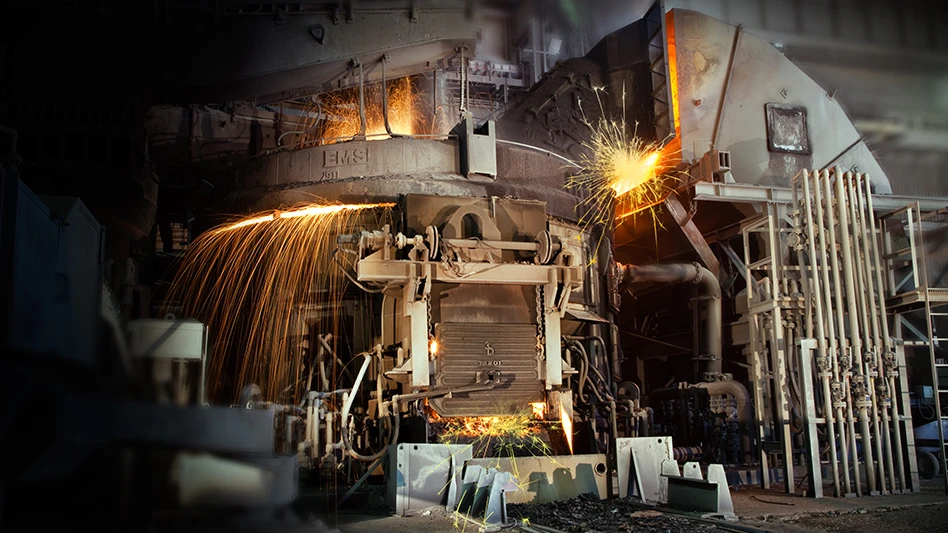
The country’s steel industry is poised to transition to low-carbon electric arc furnace (EAF) production, which will increase domestic demand for scrap steel significantly as, unlike traditional blast furnaces, EAFs’ material mix can consist of 100 percent steel scrap. To ostensibly ensure supply can meet demand, the steel industry has been advocating for restricting British scrap steel exports.
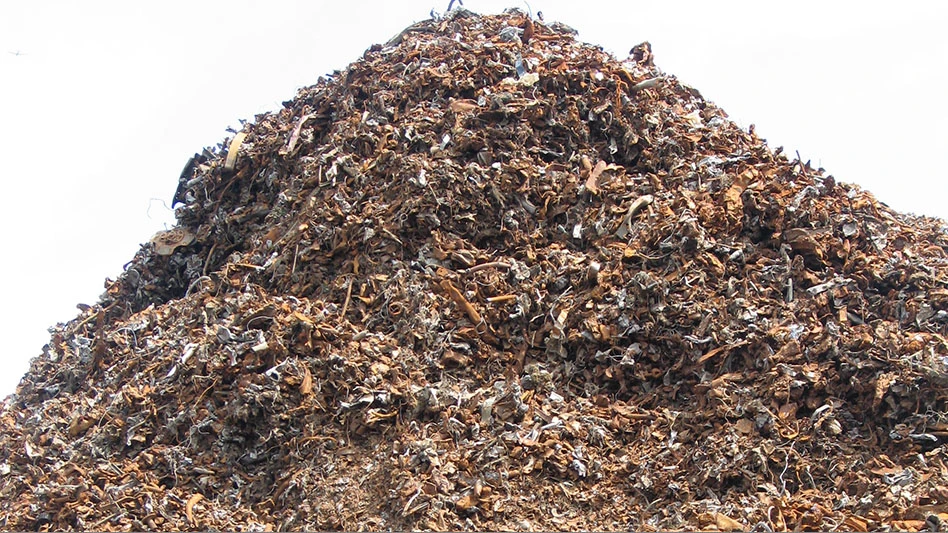
However, BMRA says the report “quashes any concerns over ‘scrap availability,’ demonstrating that even if every single steel furnace open today transitioned to an EAF—as is planned by 2050—and only used scrap steel as its feedstock, the U.K. would need just two-thirds of the total annual British scrap steel supply.” That means one-third of all U.K. recovered steel would still need to be exported, the association, which is based in Huntingdon, England.
The report also models the impact export bans would have in various policy scenarios. For example, an export ban to Turkey, the U.K.’s largest recycled metals export destination, would result in a loss of more than 2 billion pounds sterling ($2.69 billion) in GVA and more than 6,800 jobs.
BMRA CEO James Kelly says restricting exports “wouldn’t just cut tonnage—it would erode the fundamental economics that sustain the sector in a globally competitive environment.
"Exports are the lifeblood of the U.K. metals recycling industry, and global demand for recycled steel is set to rise dramatically," Kelly continues. "So, curtailing exports would be short-sighted and could see the U.K. miss out on significant growth for an already large industry that currently directly employs over 15,000 people and delivers 9 billion pounds sterling GVA [gross value adds] per annum.”
“U.K. steel is a sensitive market, and our research shows how even modest policy changes to protect domestic recycled steel can have substantial and lasting economic effects,” adds Will Eadson, professor of urban and regional studies at Sheffield Hallam University. “Our economic models demonstrate why careful thought must be given to any measures which seek to restrict overseas trade—we can see clearly how quotas and bans may lower exports, but at a cost to the overall value of the sector. Our research also highlights the need for continued and deeper dialogue between government, metal recyclers and steel producers to develop policy that meets the needs of all parties.
“The steel industry is going through a period of transformation, and it is important to understand how these changes will affect the people, jobs and prosperity at the heart of our steel communities. Supporting large producers through this transformation will be important to ensuring a prosperous and sustainable future, but we must also recognize the importance of the wider steel supply chain to UK.. prosperity and security, including the essential role played by the metals recycling sector.”
Kelly says, “These findings demonstrate that restricting recycled metal exports is not a viable solution. Even if there is significant domestic retention of the economic value created through exports and rerouting to alternative markets following a ban, the metals recycling industry never fully recovers the value it currently generates in a market which is heavily regulated, but crucially open.”
The report makes a number of policy recommendations to BMRA, recycling businesses, government, government agencies, steel producers and other stakeholders:
- Provide clear and consistent messages that proposed export restrictions have disproportionate economic costs relative to the perceived short-term gains in material availability.
- Build more constructive collaborative relations among metals recycling, steel producers and government.
- Support systemic change to ensure increases in domestic demand lead to greater opportunities for U.K. recycling businesses.
- Support market diversification as the ability to reroute exports to alternative international markets significantly reduces the negative economic impacts of trade disruptions.
It also suggests enhancing knowledge, communication and insight by developing risk-based trade impact tools, building on current modeling strengths to deepen foresight and advocacy and further researching and engaging on specific proposals for quality specifications to address the range of views on quality specifications for the industry.
The BMRA study and summary can be downloaded online here.
Latest from Recycling Today
- Essity to begin production at UK paper recycling facility
- Georgia-Pacific develops retiree staffing program
- Nova commercializes new rPE grades for packaging
- Indorama Ventures, AMB Spa introduce recyclable PET multilayer tray
- Circ announces new Fiber Club partners
- Fleetio report finds 53.3 percent of fleets researching, piloting AI
- Resources by EWS, Entro Industries launch HSS L65T Landfill Tipper
- NWRA announces 2026 award winners