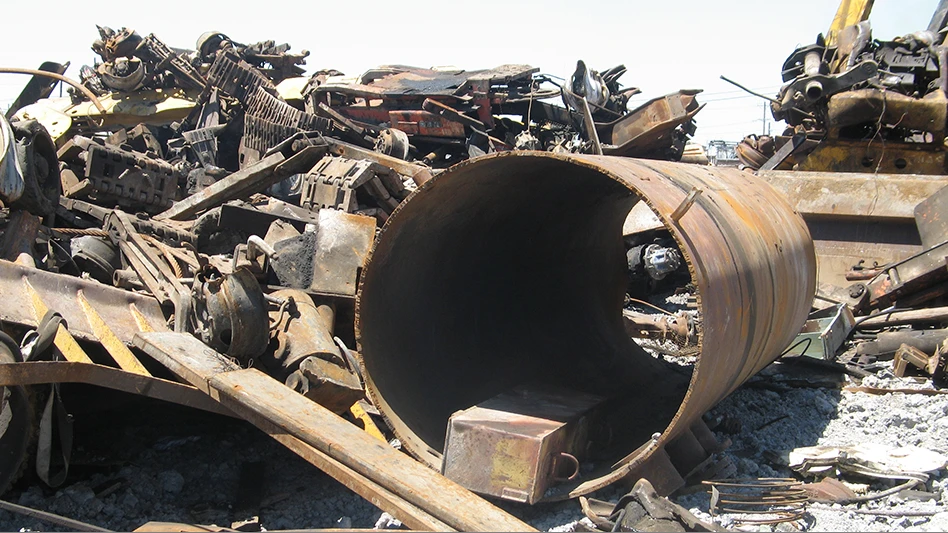
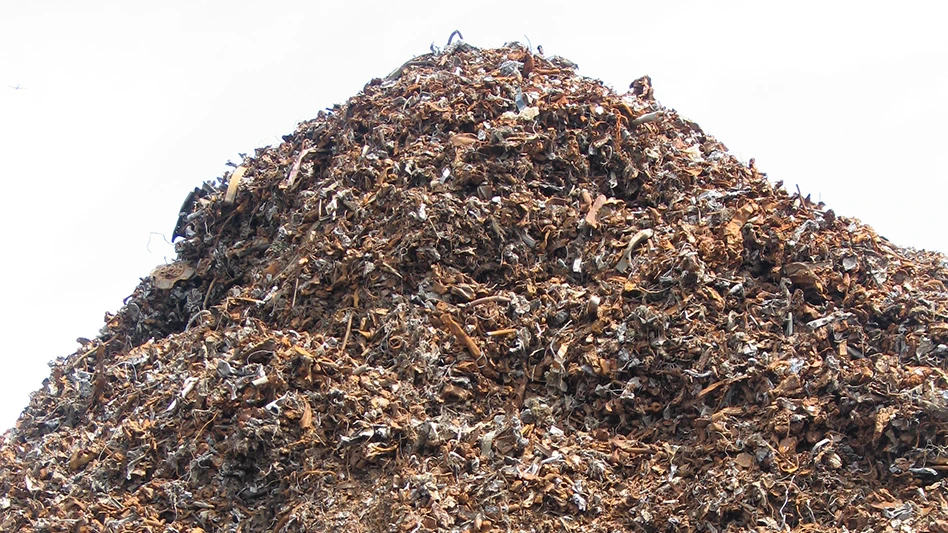
The Bureau of International Recycling (BIR) and the European Ferrous Recycling Federation (EFR) are expressing concern over steps the Russian government is taking that could sharply reduce the volume of scrap metal exports from Russia to European Union countries.
According to a BIR release, the two associations note that it has been informed that the Russian Federal Customs Service intends to reduce the number of checkpoints for exports of scrap metal from Russia. The BIR claims that if the project were to be implemented, the free and fair access to a raw material would be jeopardized.
According to the BIR release, the intention of the Russian Customs Service is to limit the number of checkpoints for sea transport to 3, for rail transport to 2 and for road transport to 5. The reduction of checkpoints would slow down the scrap shipments outside Russia, thereby favoring domestic demand.
The project foresees the suppression of checkpoints at the ports of Rostov-on-Don and St. Petersburg that would cause serious problems for countries such as Greece, Sweden and Spain to be supplied with Russian scrap. Finland is also facing similar problems due to the potential closure of some railroad checkpoints.
“Russia’s technical barriers to scrap trade are not acceptable,” says Francis Veys, BIR director general and EFR’s acting executive director. “This will increasingly restrict access to important raw materials, which are indispensible for the steel industry and scrap operators in the EU and worldwide.”
In 2007, iron and steel exports from Russia to the European Union totaled 2.178 million metric tons; in 2010, exports from Russia to EU countries dropped to slightly less than 1 million metric tons. The BIR also notes that close to 50 percent of Russian scrap exports go to the Spanish market.
BIR strongly condemns the increasing trend towards protectionist measures regarding scrap movements. The association says that duties, taxes, quota and environmental barriers also represent a violation of WTO rules.
EUROFER, the European association of the steel industry, has expressed similar concerns and requested the European Commission’s Directorate-General for Trade to address the matter with Russian authorities.
Latest from Recycling Today
- Danieli to supply shredder to Australian company
- Equipment from the former Alton Steel to be auctioned
- Novelis resumes operations in Greensboro, Georgia
- Interchange 360 to operate alternative collection program under Washington’s RRA
- Waste Pro files brief supporting pause of FMCSA CDL eligibility rule
- Kuraray America receives APR design recognition for EVOH barrier resin
- Tire Industry Project publishes end-of-life tire management guide
- Des Moines project utilizes recycled wind turbine blades