Representatives of the automotive aftermarket industry vow to fight federal funding of old vehicle car crushing programs included in the U.S. Department of Transportation's "Safe and Flexible Transportation Efficiency Act of 2003" which was released this week.
Title I, Section 1601 of the SAFETEA would reverse a long-standing prohibition on federal funding of state-run vehicle scrappage plans through the Congestion Mitigation and Air Quality Improvement Program, administered by the Federal Highway Administration. In this case, U.S. taxpayer dollars would be used to purchase and crush cars made in 1979 and before.
Scrappage will not achieve its intended goal of improving air quality, but it will damage automotive aftermarket businesses and eliminate American jobs.
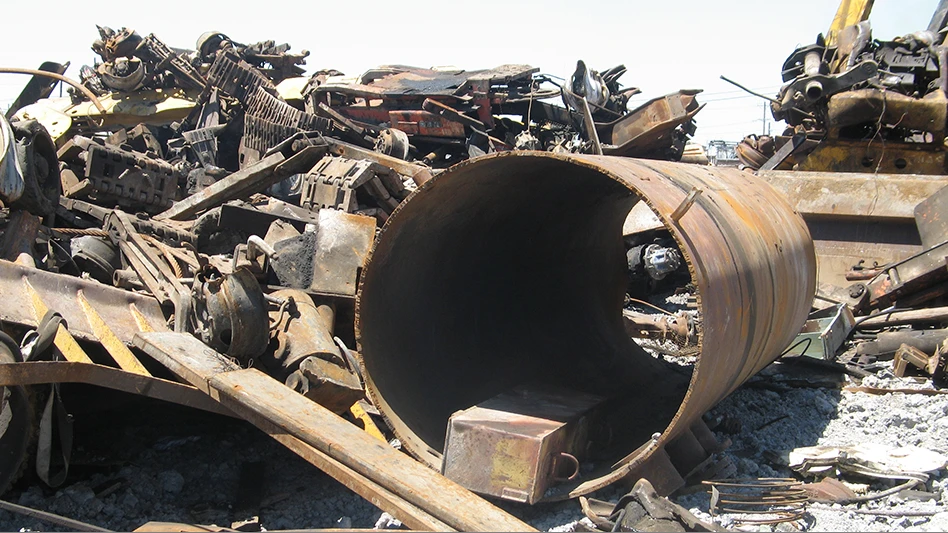
Under the ill-conceived program, states would use federal CMAQ funds to turn pre-1980 vehicles into blocks of scrap metal. "Classic" or "parts cars" would not be spared from the crusher. Salvageable used parts would be lost rather than being rebuilt and reused to keep other vehicles running.
In reality, the federal dollars would likely purchase 24+ years old cars that are not frequently driven. The program would also have a disproportionately adverse effect on lower and fixed-income Americans who depend on older vehicles and their replacement parts for daily transportation.
In addition, there is no guarantee scrapped vehicles would be replaced by cleaner running or more fuel-efficient models. Scrappage programs typically offer owners who surrender vehicles for crushing a cash payment towards the purchase of another vehicle. However, the payment hardly is enough to cover the cost of even a down payment on a newer used car; and there is nothing to prevent someone from receiving payment for scrapping a clean-running and fuel- efficient 1979 compact car and replacing it with a potentially more-polluting, and likely less fuel-efficient light truck or SUV.
"Old car" scrappage programs sound good but they don't work. Congress has abandoned at least nine such measures over the past decade once they became educated to the fact that scrappage programs are not cost-effective and do not positively impact air quality emissions. In addition, the automotive aftermarket industry's substantial experience with state-level scrappage proposals indicates that most states elect not to use or discontinue implementation of vehicle scrappage programs as a method for meeting air- quality goals based on their cost and failure to demonstrate real benefits.
Latest from Recycling Today
- Equipment from the former Alton Steel to be auctioned
- Novelis resumes operations in Greensboro, Georgia
- Interchange 360 to operate alternative collection program under Washington’s RRA
- Waste Pro files brief supporting pause of FMCSA CDL eligibility rule
- Kuraray America receives APR design recognition for EVOH barrier resin
- Tire Industry Project publishes end-of-life tire management guide
- Des Moines project utilizes recycled wind turbine blades
- Charter Next Generation joins US Flexible Film Initiative