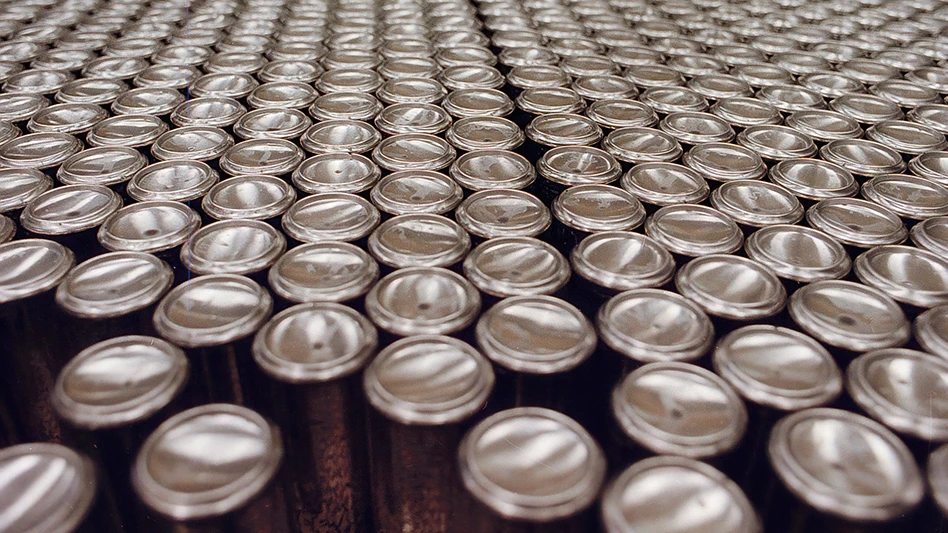
Photo courtesy of Alcoa Corp. and the International Aluminium Institute
Representatives from several trade groups, companies and not-for-profit organizations tied to aluminum beverage can production and recycling will use a platform at the Climate Week NYC 2025 event in New York in late September to showcase circularity as a climate solution.
The London-based International Aluminium Institute (IAI), the Washington-based Aluminum Association and Can Manufacturers Institute (CMI) and the Global Beverage Can Circularity Alliance, part of IAI, are mentioned in a mid-September news release publicizing the upcoming event.
The groups are taking part in a conference session called “Aluminum in Action: How Beverage Cans Are Closing the Circularity Loop,” which they say will convene industry leaders, recyclers, investors, policymakers and climate advocates to explore how aluminum packaging can help drive global decarbonization targets.
The Sept. 25 session at New York’s Civic Hall will involve the release of new aluminum recycling data, according to IAI, and will discuss high-impact technology and investments improving recycling rates and introduce policy recommendations to scale can-to-can-loop recycling.
“Aluminum is one of the few materials that can be recycled over and over again without losing quality,” says Marlen Bertram, IAI’s director of forecasts and scenarios. “When we recover it, we cut carbon, reduce waste, secure supply chains and preserve value.”
IAI, the global body for the primary aluminum industry, says data it will discuss in New York will show aluminum cans have the highest global recycling rate of all beverage containers and that recycled aluminum uses 95 percent less energy compared with primary production.
“Based on today’s global recycling rate, 87 percent of all cans recycled could go back into cans, thereby avoiding downgrading or loss of valuable alloying elements such as manganese and magnesium, but only 47 percent of all recycled cans actually do this globally,” IAI says.
“Although the global aluminum can recycling rate is 71 percent, the recycling rate of aluminum cans in the U.S. is just 43 percent,” the group adds, citing a 2024 report by the Aluminum Association. “This means that more than one out of every two cans consumed in the United States ends up in a landfill.”
“Each year, more than a dozen 12 packs of aluminum cans end up in landfills for every person in the U.S.,” says Curt Wells of the Aluminum Association. “We are throwing away more than $1 billion worth of aluminum each year. At a time of increasing demand and calls for greater domestic supply chain security, accepting the status quo on recycling is no longer acceptable.”
Speakers and panelists at the Climate Week NYC 2025 session include Sandrine Duquerroy Delesalle of can producer Crown Holdings, Dorothea Flockert of aluminum producer Speira, Wells of the Aluminum Association, Francisco Pires of aluminum producer Novelis, Ramon Arratia of can producer Ball Corp. and several others.
Those interested in registering for the event can do so through the IAI website.
“Aluminum beverage cans remain the most recycled drink package in America with a rapid 60-day journey from recycling bin to newly formed can," says Scott Breen of the CMI. "The U.S. aluminum beverage can industry is also leading in efforts to increase recycling by advocating for a high-performance approach to producer-funded recycling, forging partnerships to address away-from-home recycling through the Every Can Counts U.S program, and funding can capture equipment, including artificial intelligence (AI)-powered robots, via revenue share agreements at materials recovery facilities."
Latest from Recycling Today
- Fleetio launches AI capability to accelerate fleet maintenance approvals
- The Metals Agency receives approval for export credit insurance
- Recycle Ann Arbor extends drop-off station operating hours
- Sybilion seeks to help manufacturers confidently address volatility
- Rio Tinto, Prysmian partner on low-carbon aluminum solutions for data centers
- Unilever criticized for plastics approach
- USTR to study additional steel, aluminum tariffs
- Electrified Materials adds processing capacity