Photo courtesy of Dowa Metals & Mining America Inc.
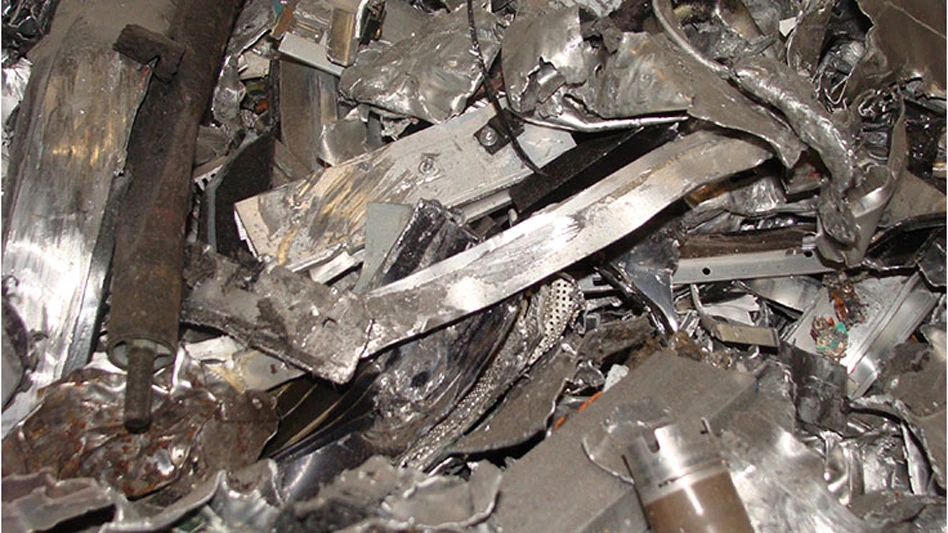
DOWA Metals & Mining America Inc. (DMMA) has been a major recycler of catalytic converters since 2016. We purchase a wide range of materials, including gasoline and diesel catalytic converters with ceramic or metallic (foil) substrates, diesel particulate filters (DPF) with cordierite or silicon carbide (SiC) substrates, industrial catalysts and residues. These materials contain valuable platinum group metals (PGM), such as platinum, palladium and rhodium, that are essential for emissions control and numerous industrial applications. Efficient and responsible recovery is at the core of our mission, reflecting DOWA Group’s philosophy: A Recycling-Oriented World.
Our smelting process
Since its foundation in 1884 as a mine and smelting plant for black ore, DOWA has been rooted in a history of innovation and adaptability. Black ore is uniquely complex, containing a wide variety of valuable metals tightly bound together. While rich in potential, these metals are difficult to separate and can even become harmful if not processed correctly.
Recognizing this challenge early on, DOWA devoted itself to developing advanced extraction and smelting technologies. Through decades of research, operational experience and refinement, DOWA has built a deep expertise in handling complex ores and recycling-oriented materials. This accumulated knowledge ultimately led to our unique PGM smelting technology, known as the ROSE process, named after dissolved rhodium. Today, the ROSE process is a core element of DOWA’s PGM recycling business and plays a key role in ensuring its high efficiency.
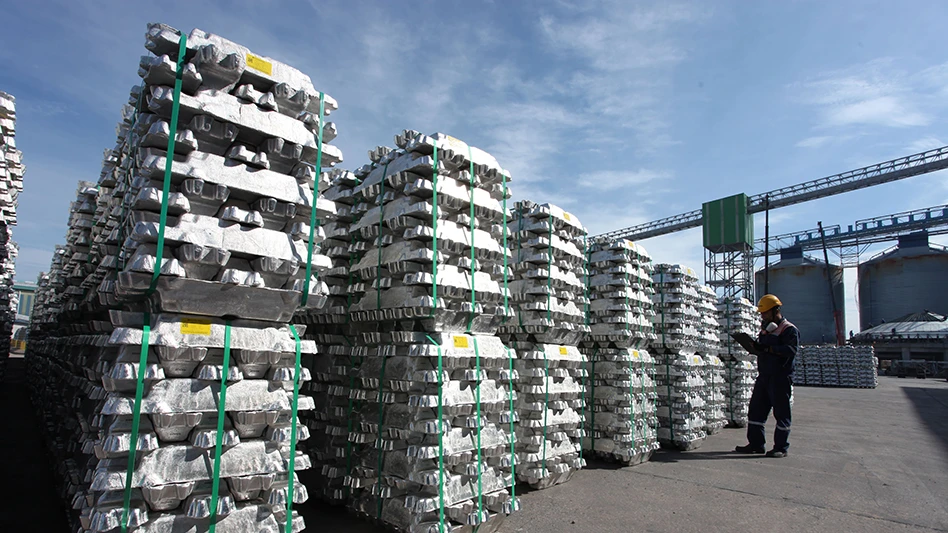
DOWA also promotes the circular economy while emphasizing environmental responsibility. After the ROSE process, PGM alloy ingots are delivered to our refining partner and subsequently returned to the market to complete the recycling circle. Not only is the smelter operated with 100 percent-recycling-oriented materials, the process itself also is environmentally friendly. The only unrecyclable material leaving the ROSE process is minimized slag that is treated carefully by our group company.
Our sampling processes
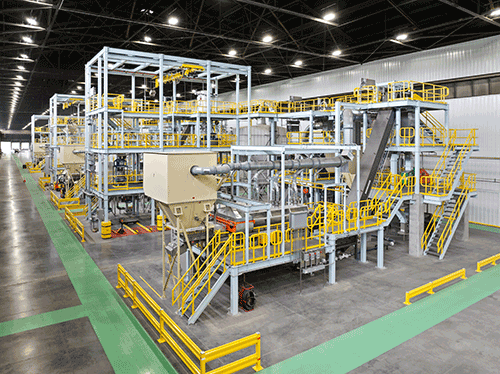
NPGM USA Sampling Lines
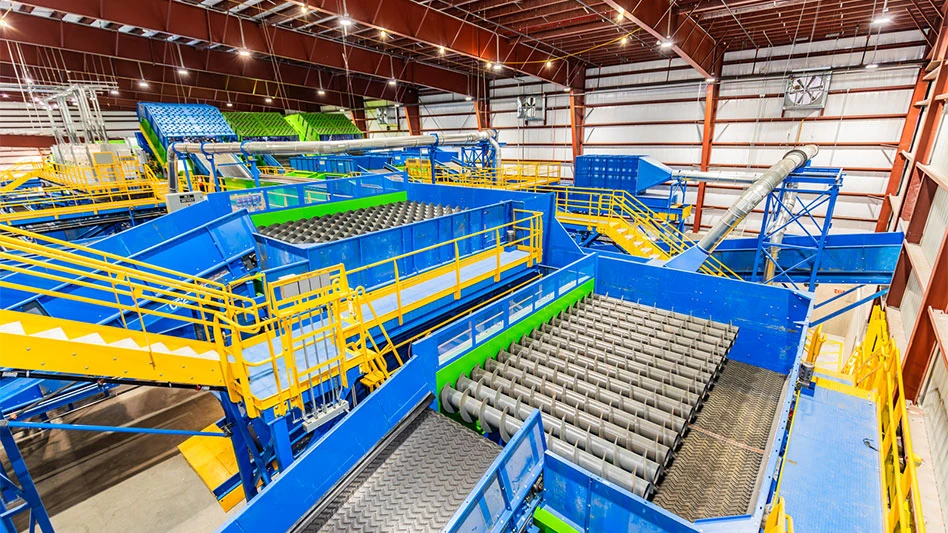
Obtaining precise and reliable assay results requires proper sampling, including sample preparation. PGM content can vary depending on each converter code and the year manufactured. Therefore, a transparent sampling process is essential to ensure fairness and confidence in final settlement values. We partner with NPGM USA Inc. in Pottstown, Pennsylvania, to provide trustworthy sampling and XRF (X-ray fluorescence) assays of delivered materials. NPGM USA, which became operational in August 2024, expanding on and replacing previous sampling capabilities, houses three independent sampling lines that provide a total processing capacity of 1 million pounds of recycled material per month. Materials can be delivered whole can, de-canned, milled or un-milled. Through different levels of pre-treatment, foreign objects such as insulation or metal shells are removed from the materials so they can be effectively and thoroughly milled. All material goes through a mixer to be fully homogenized before going through dividers. NPGM USA’s sampling line is designed to eliminate operators’ human error.
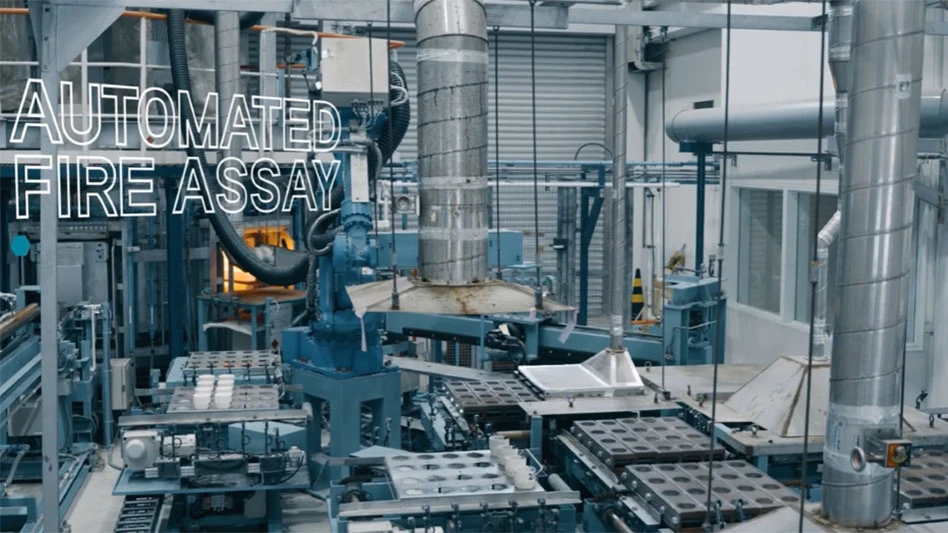
The final settlement value is based on automated fire assay and ICP, both completed at Nippon PGM Co. Ltd. (NPGM) in Akita, Japan. Its laboratory is government-approved and used not only for assaying converters but also for other in-house final product and environmental assays. Fire assay (pyrometallurgy) compared with hydrometallurgy provides higher assay accuracy as it allows a greater amount of the sample to be utilized.
What is XRF and ICP? What is the difference? – Click here.
Our robust compliance policies
The purchase of recycled materials containing PGM is subject to domestic/international laws, regulations, policies, procedures and/or standards, primarily related to countering money laundering (ML), terrorist financing (TF) and human rights abuses (child labor, forced labor, human trafficking, etc.).
DMMA has implemented, monitors and updates as necessary an effective Bank Secrecy Act Anti-Money Laundering (AML), Countering the Financing of Terrorism (CFT) and Supply Chain Due Diligence (SCDD) Compliance Program (CP) in connection with the PGM it buys and sells. Although not required to implement an AML/CFT CP, NPGM USA has developed and implemented its own SCDD CP that supports DMMA’s Know Your Client (KYC) efforts and DOWA group’s high standards of SCDD and environmental, social and corporate governance.
DMMA and NPGM USA have adopted a holistic approach in establishing strong company management systems and are committed to conducting robust PGM SCDD:
- Adherence to domestic and international federal/state/local laws.
- International recommendations/standards, i.e., Financial Action Task Force’s (FATF) comprehensive framework of measures to prevent ML/TF activities and the harm they cause to society.
- International best practices/standards, i.e., Organization for Economic Co-operation and Development’s (OECD) 5 Step (5SF) DD process aligned with UN Guiding Principles on Business and Human Rights.
- Related industry recommendations, i.e., London Platinum and Palladium Market (LPPM) Responsible Platinum & Palladium Guidance (RPPG) and Responsible PGM Guidance V5 (RPG5) for Mined and Recycled Materials, primarily based on OECD 5SF.
DMMA and NPGM USA also have incorporated the four pillars of an effective, risk-based AML/CFT/SCDD CP:
- Policies, procedures and internal controls to detect and prevent ML/TF activities and violations of U.S. economic sanctions programs.
- The designation of an AML/CFT/SCDD compliance officer.
- Ongoing employee training program.
- Independent testing, assurance assessments, auditing, etc., of CP.
OECD’s 5SF for responsible sourcing and provisions for complying with the applicable requirements of related laws; environmental, social and corporate governance factors; and standards of UN Guiding Principles on Business and Human Rights, adopted by LPPM are:
- Establish strong management systems.
- Identify, assess and prioritize risks.
- Manage risks.
- Audit control points.
- Communicate and report on due diligence.
And more.
Our Compliance Policy Statement, OECD Responsible Sourcing Compliance Report and Responsible PGM Procurement Policy are available on our website.
We are here to support your needs. We are here to answer your questions and receive your feedback. We are here to grow together. Our team prides itself in being readily available to service your needs and providing information to potential applicants. Please contact us at dmma-front@dmmamerica-us.com.
About DOWA Group
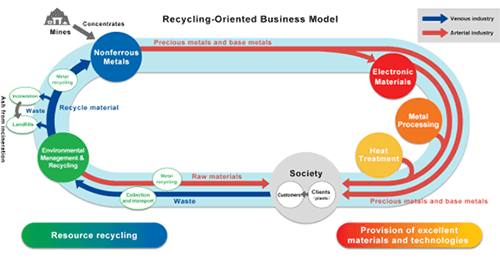
DOWA has worked to diversify its business since 1990, and today there are 5 core businesses—Environmental Management and Recycling Business, Nonferrous Metals Business, Electronic Materials Business, Metal Processing Business and Heat Treatment Business. DMMA, NPGM USA and NPGM are managed under the Nonferrous Metals Business. 3 smelters in this business unit (NPGM, Kosaka Copper Smelter and Akita Zinc Refining) function as a recycling complex and recover more than 20 elements in total.
Latest from Recycling Today
- Ocean Legacy Foundation expands plastic testing laboratory services
- CMI, HCPA publish aerosol recycling guide for MRFs
- 2026 Plastics Recycling Conference: A look at PCR contracts
- Remade Institute hosts Circular Economy Tech Summit & Conference in March
- Befesa sees record performance in 2025
- North Carolina county receives FRC foam recycling grant
- Cascades tissue business falls short in Q4
- GFL renews share repurchase programs