It may not be a leading indicator, but plastic scrap markets appear to be showing strength in many parts of the world. A shortage of supply in a number of regions of the world is boosting prices.
Efforts to recycle polyethylene terephthalate (PET) continue to set the standard for plastics recyclers. A recent report by the Brussels-based Petcore Europe finds that 1.64 million tonnes of PET bottles in Europe were collected for recycling in 2013. The figure is up about 7% from the previous year.
In comments following the release of the report, Roberto Bergaggia, chairman of Petcore Europe, commented, “From a sustainability perspective, our industry is thrilled that last year (2013) the equivalent of around 56% of PET containers in circulation were collected for reclamation and recycling.”
Following the release of the PET recycling numbers, Petcore also released proposed guidelines for the use of recycled PET to make food trays. The stated goal of the guidelines, one for clear thermoforms and another for colored thermoforms, is to set the basic principles to create PET trays which could be treated by future plastics recycling plants dedicated to this stream.
The organization says establishing the guidelines could boost the recycling of PET trays, helping countries throughout Europe reach the European Union’s recycling targets.
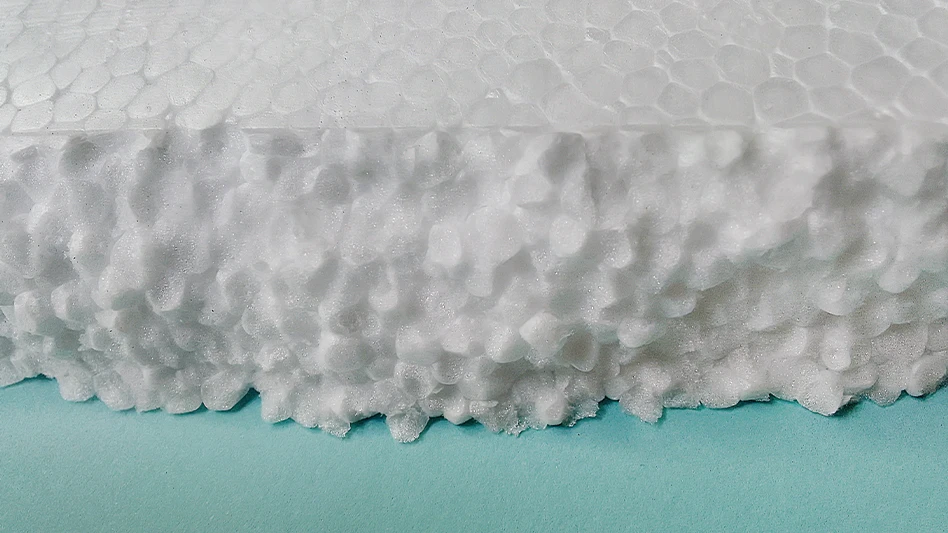
While PET recycling efforts have been one of the biggest successes for the plastics sector, other plastic scrap grades throughout Europe are having a more difficult time achieving greater volume. A presentation by Jim Glauser of the consulting group IHS, given at the Paper & Plastics Recycling Conference in Chicago in October, noted that plastic scrap grades including high-density polyethylene (HDPE), low-density polyethylene (LDPE), expanded polystyrene (EPS), polyvinyl chloride (PVC) and polypropylene (PP) have had much less success in reaching higher collection rates.
Although many of these grades have collection levels far lower than PET, several recyclers say there are aggressive efforts being implemented seeking to significantly increase recycling levels.
While PET has been widely embraced and has the highest recovery rate, HDPE markets, especially natural, are also now generating greater interest. There have been reports that plastic scrap recyclers in Europe are finding ready homes for the material in the United States, which is keeping prices for that grade healthy.

A number of other sources say suppliers are finding some shortages of the material in the United States, causing the uptick in the flow of HDPE to the U.S.
The optimism being displayed by many plastics recyclers is being helped by new consumption capacity that continues to either be announced or opened up, including in Eastern Europe.
These new plants are helping to expand end markets for various grades of plastic scrap from throughout Europe.
The opening of new capacity is being abetted by a general softening in the flow of plastic scrap from Europe to Asia.
Another key driver for the better-than-expected plastic scrap market in Europe has been greater attention by government entities to further develop the plastics recycling market, especially for non-PET grades.
While the government’s role in developing plastics markets could be beneficial, several sources say the dependence on a government subsidy to keep certain materials afloat is an area of concern.
Another aspect that has caused concern for plastics recyclers is growing interest in using plastic scrap for feedstock at energy-from-waste (EfW) facilities. EfW facilities will invariably take in recyclable plastic scrap, sources fear.
Several recycling-related organisations have been decrying the emphasis on this EfW strategy, which could put many recyclers at a disadvantage. Meanwhile, a number of companies have announced or commissioned new facilities that are expected to significantly boost recycling levels for a range of plastic grades. The new facilities are cropping up in eastern parts of Europe.
Latest from Recycling Today
- Charter Next Generation joins US Flexible Film Initiative
- Vecoplan to present modular solutions at IFAT 2026
- Terex Ecotec appoints Bradley Equipment as Texas distributor
- Greenwave raises revenue but loses money in Q2 2025
- Recycled steel prices hold steady
- EY says India’s need for scrap imports will continue
- Coming full circle
- Amcor, DCM introduce fertilizer packaging with 35 percent recycled content