|
|
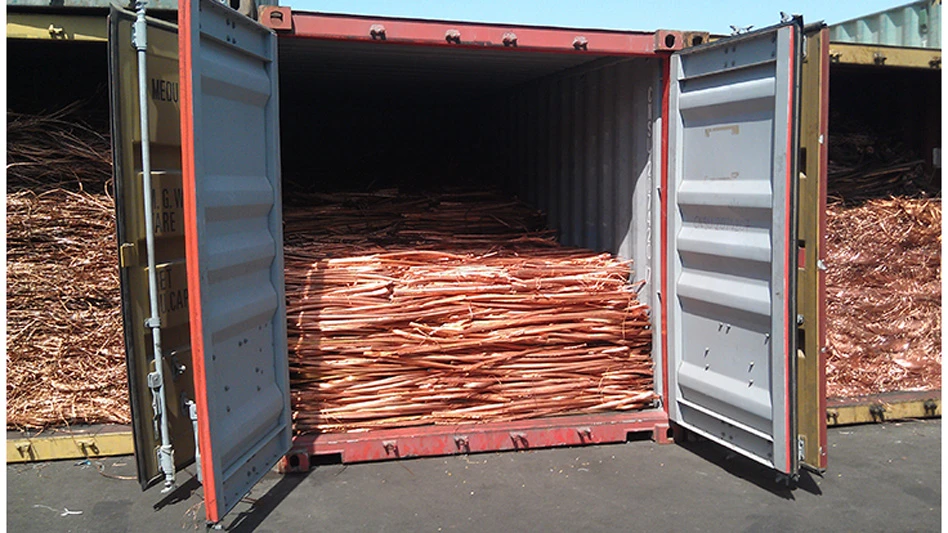
While the value of metals, particularly copper, soared during the past several years, it was disconcerting to be part of an industry that was facing scrutiny regarding its ethics and behavior. As the price of copper continued to rise the willingness of thieves to steal it rose along with it. Unfortunately, thieves most often seemed to find willing buyers for stolen scrap metal, thus causing many in the law enforcement and local news industries to put the blame on the target in plain sight. With thieves (at least the successful ones) remaining hidden and anonymous, police detectives and local news investigative reporters concentrated on the link in the chain with visibility and a fixed address. Elected officials soon began following that same line of thinking. By 2006 or so, legislators in cities, provinces and entire nations began passing laws that dramatically affected the way metals recyclers conduct their business. The innocent were presumed guilty and law-abiding scrap recyclers had to make significant investments to comply with new laws. Recycling trade associations vigorously worked to defend and protect their member companies, sometimes successfully changing the way a law was written, but other times running into a “thanks but no thanks” attitude from legislators and prosecutors. As of 2012, trade associations have made good progress in convincing the law enforcement community and some legislators that the scrap recycling industry is very willing to be part of the solution to this ongoing problem. Unfortunately, media scrutiny of the scrap industry continues. During the Bureau of International Recycling (BIR) 2012 World Recycling Convention in late May, Robert Voss of Voss International in the U.K. twice referred to the Daily Mail tabloid newspaper there that had recently used the world “despicable” to describe a “scrap metal gang” that had stolen a plaque memorializing a bomb victim. Voss told BIR delegates that the scrap industry is victimized by these criminal acts either as direct victims or when they return items found to have been stolen after having paid for them. The BIR’s International Trade Council session focused on the many ways scrap recyclers have been victimized by theft, with a focus on organized rings that break into overseas shipping containers. This rapidly growing criminal activity has taken its toll. “Our insurance premiums are going through the roof, our [scrap] consumers are feeling short-changed and shipping companies don’t want our business,” Voss lamented. If it makes the industry outsiders any happier to hear it, the scrap industry has suffered plenty as a result of the metals theft phenomenon. |

Latest from Recycling Today
- 2026 Plastics Recycling Conference: Diving into SB 54
- Commentary: Plastic recycling isn’t working; what are we going to do about that?
- Environmental groups urge Indonesia to return e-scrap shipments
- Foodservice Packaging Institute opens applications for 2026 foam recycling grant program
- Worn Again Technologies unveils Accelerator plant to advance polycotton recycling
- Nashville Waste Services launches new digital route system
- Arconic expands in Iowa
- Cascades invests $6.9M in recycled boxboard plant