Phot courtesy of Norsk Hydro ASA
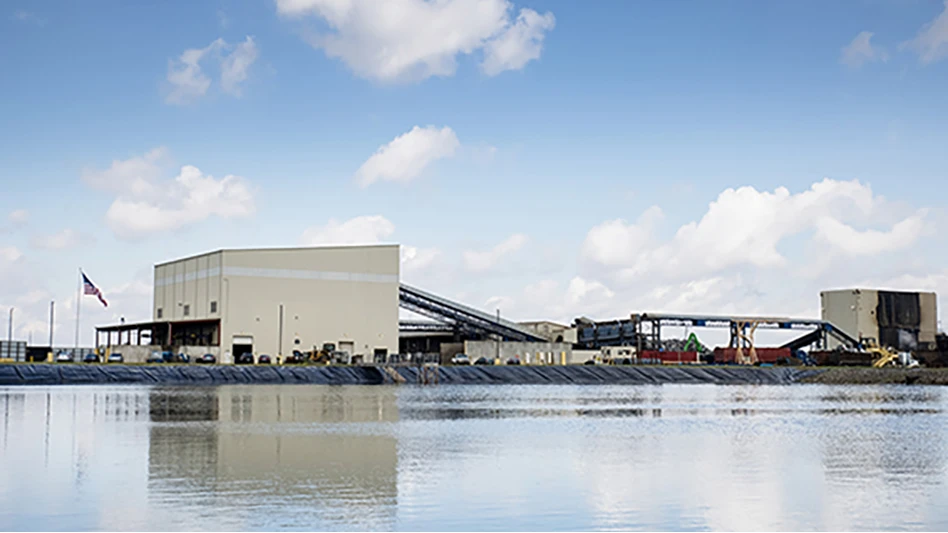
Norway-based aluminum producer Norsk Hydro ASA says it will make a $51.3 million investment in its extrusion plant in Cressona, Pennsylvania, to “expand the site’s recycling capabilities, which include remelt and extrusion billet casting, producing low-carbon aluminum products.”
The announcement follows quickly on the heels of other capacity expansion projects in the United States, in Henderson, Kentucky, and in Cassopolis, Michigan.
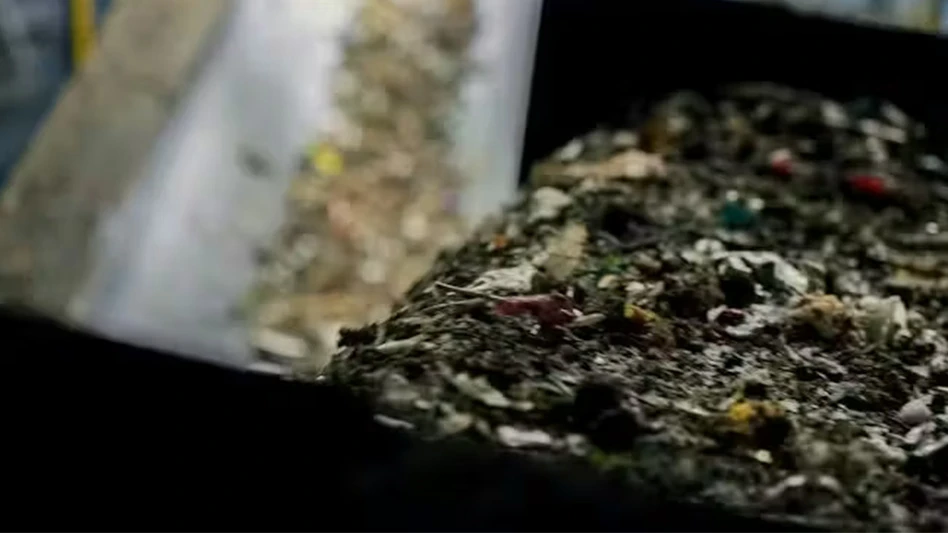
The Cressona project is expected to be fully operational in late 2024 and will expand Cressona’s casting capacity by more than 50,000 metric tons, Hydro says. “The investment will allow for a significant increase in use of pre- and postconsumer aluminum scrap and will support the plant in achieving a 5 percent reduction in the average carbon footprint of its extrusion billet,” the firm states.
“The ability to cast our own extrusion billet is extremely important,” says Paul Warton, executive vice president at Hydro Extrusions. “This investment will strengthen our ability to produce innovative alloys and offer our customers products with a high recycled content and lower carbon footprint. We anticipate strong demand for these locally supplied greener products in the future and are excited to help drive the circular economy in North America.”
In addition to pointing to the Cassopolis project, Hydro Extrusions says it has recently invested $27.7 million to upgrade its scrap-melting extrusion plant in The Dalles, Oregon. Part of that upgrade was tied to meeting emissions standards set by the Oregon Department of Environmental Quality.
Latest from Recycling Today
- Titanium recycling is focus of Japanese alliance
- Tomra installation serves food tray sector in Spain
- Tariff criticism directed toward steel industry
- Vinyl Institute launches enhanced recycling directory
- McNeilus introduces AI material contamination detection technology
- Closed Loop report identifies opportunities to increase prescription pill bottle recycling
- Organics Recycling Conference 2026: Q&A with keynote speaker Andy McNeill
- CMRA selects Vietnam for 2026 event