The Turkish steel industry produced 31.3 million tons of crude steel between January and October 2025, a 1.2 percent year-on-year increase. With the support of imported semiproducts, finished steel consumption reached 32.2 million tons in the same period, increasing 2.6 percent, according to the Turkish Steel Producers Association (TCUD).
This rise was driven mainly by the construction sector, which is one of the key contributors to gross domestic product growth. The sector expanded by an average of 11.2 percent in the first three quarters of last year. As a result, consumption of long steel products rose by 5.3 percent to 16.6 million tons, and exports of long products also grew by 10.9 percent. Flat products consumption remained stable at 15.5 million tons, but the recovery of the manufacturing sector during the third quarter led to a noticeable increase in demand for these products.
TCUD Secretary General Veysel Yayan notes that although exports grew by 12.6 percent to 12.5 million tons, imports jumped 13.8 percent to 15.6 million tons January through October of last year, widening the steel trade deficit.
A significant factor behind this increase was the sharp rise in steel imports in June and July of 52 percent and 55 percent, respectively, reaching 1.8 million tons in both months. Russian imports grew 56.5 percent from 2.3 million tons in the first 10 months of 2024 to 3.6 million tons in the same period in 2025. Similarly, Chinese imports grew 23.3 percent from 3 million tons to 3.7 million tons, indicating stronger import pressure from China on the domestic market.
While imports made up approximately 48 percent of Turkish steel consumption, the European Union’s plan to reduce the share of imports in its own consumption from 21 percent in 2024 to 12.7 percent and cut steel import quotas by 47 percent to 18.3 million tons annually demonstrates the bloc’s sensitivity to protecting its steel industry. Concern is growing that this new framework could disrupt Turkish steel exports to the EU, which, Yayan says, is Turkey’s largest export market.
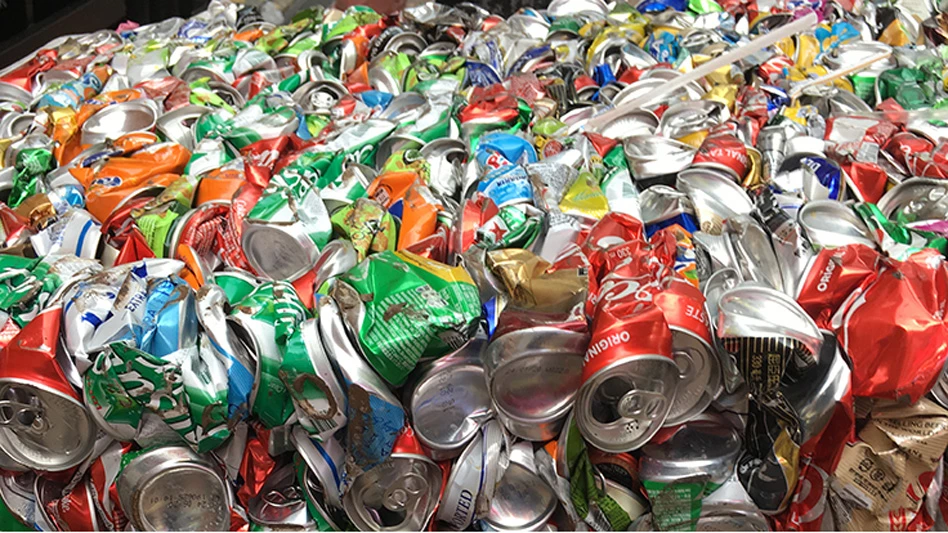
Recycled steel consumption reached 27.2 million tons in the first 10 months of 2025, up by 4.2 percent. Domestic supply met 42.8 percent of consumption, while imports covered 57.2 percent. Scrap imports during that period fell by 7.3 percent from 16.5 million tons to 15.3 million.
Scrap imports from the United States, Turkey’s largest supplier, declined by 23.5 percent to 2.9 million tons, while scrap imports from the CIS region rose by 51.1 percent to 765,000 tons.
During the same period, while scrap imports decreased, slab imports increased by 4.3 percent to 3.2 million tons, and billet imports rose by 29.5 percent to 3.6 million tons. According to Yayan, this indicates that producers shifted from scrap to importing semifinished products, which they found more cost-effective.
Steel product export growth, which was 18.2 percent in the first half of 2025, fell to 1.3 percent in the third quarter. Meanwhile, the increase in imports, which totaled 12.4 percent in the first half of last year, rose to 27.5 percent in the third quarter, mainly given greater domestic consumption. These developments have become the main factors behind the production decline and imbalances in the domestic market.
TCUD expected consumption to continue increasing in the fourth quarter of 2025, growing from 1.2 percent over the 10-month period to 2 percent.
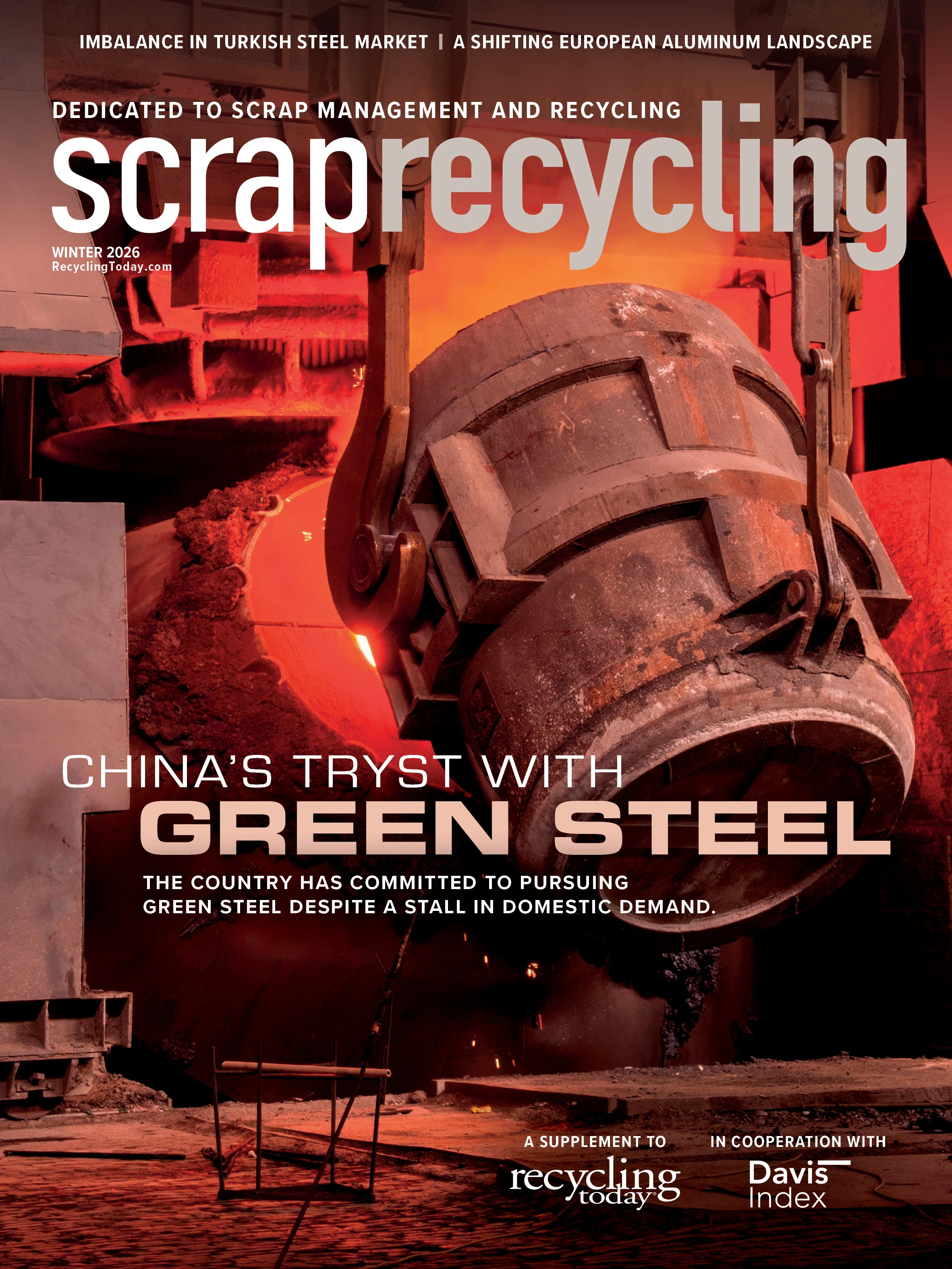
Explore the Winter 2026 Scrap Recycling Issue
Check out more from this issue and find your next story to read.
Latest from Recycling Today
- Steel output rises in top economies in January
- Thommen Group announces personnel changes
- International Paper to close South Carolina container plant
- A look inside WM’s new $90M south Florida MRF
- Waste to Resource Ontario announces new co-chairs
- WIH Resource Group adds senior associate
- BlueScope rejects recent SGH, SDI bid and notes terms for additional engagement
- Picvisa, Girbau to launch textile sorting plant in Europe