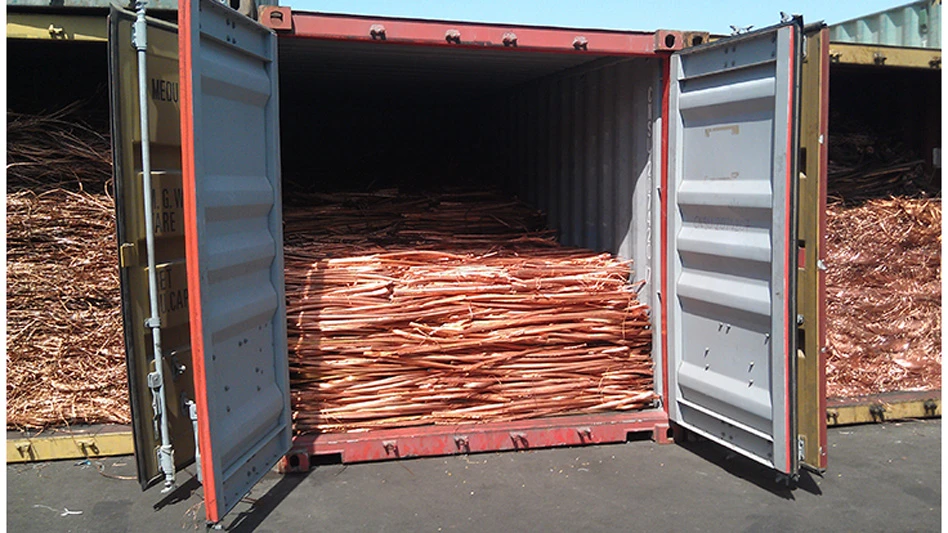
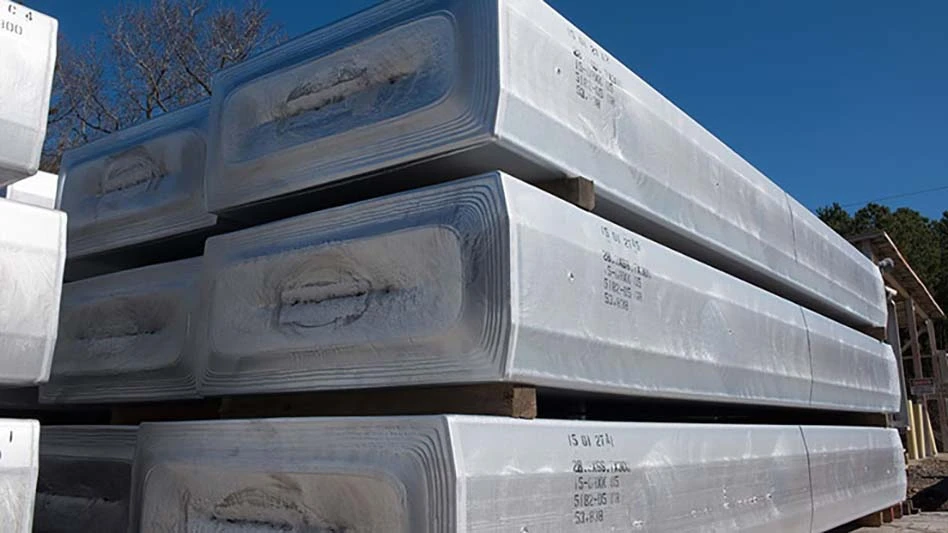
The Brussels-based Bureau of International Recycling (BIR) says it welcomes the fact that China’s new nonferrous specification would allow aluminum, brass and copper scrap to be imported under a “raw materials” rather than a “waste” classification.
The new scrap standards recognize that scrap, when sorted and processed to meet a high-quality standard, ceases to be waste and is a product, the association writes.
China’s intention to minimize residues arising from the consumption of scrap in metalworks has been well recognized over the past years, BIR says in a news release, and will now be met by supplying scrap to these standards.
For recyclers, it is normal practice to sort and process the scrap to meet customer specifications. In consequence, the higher the requested metal content, the more costly the scrap processing needed, and the higher the scrap price, BIR says.
The question remains whether there is the scrap processing capacity to meet the demand for high volumes of high-quality scrap, BIR adds. In general, over the last years, more investments in sorting and processing machinery have been and continue to be made.
Latest from Recycling Today
- 2026 Plastics Recycling Conference: Diving into SB 54
- Commentary: Plastic recycling isn’t working; what are we going to do about that?
- Environmental groups urge Indonesia to return e-scrap shipments
- Foodservice Packaging Institute opens applications for 2026 foam recycling grant program
- Worn Again Technologies unveils Accelerator plant to advance polycotton recycling
- Nashville Waste Services launches new digital route system
- Arconic expands in Iowa
- Cascades invests $6.9M in recycled boxboard plant